Wind Mapping Techniques for Late Positioning Advantages in National Hunt Racing
Written by Paul Reed · Jul 7, 2026
Wind Mapping Techniques for Late Positioning Advantages in National Hunt Racing
National Hunt contests on exposed downs present unique challenges where wind direction and intensity shift rapidly across open terrain, and analysts track these patterns to adjust late-race positioning strategies. Courses like those in the Cotswolds feature long stretches of elevated ground that leave runners vulnerable to gusts, while prevailing westerlies often strengthen or veer without warning during a race. Observers note that such conditions alter stride patterns and jumping efficiency, particularly when fields turn into headwinds on the final circuits.
Exposed Downs Create Variable Conditions
Downland venues expose horses to consistent airflow across broad slopes, and this exposure intensifies when races extend beyond two miles. Data from meteorological stations positioned near racecourses shows that wind speeds can fluctuate by 10 to 15 knots within a single contest, which directly influences how jockeys conserve energy for the closing stages. Trainers review historical wind logs from these sites to identify patterns that repeat at specific times of year, allowing them to anticipate how a shift might affect a horse's ability to hold position on the rail or move wide for a clear run.
Effects on Performance and Positioning
Headwinds increase oxygen demand and reduce forward momentum, whereas crosswinds can push horses off their intended lines during jumps, and tailwinds provide brief assistance that fades quickly on undulating ground. Researchers at equine performance centers have documented how these forces compound fatigue in the latter half of races, leading to measurable drops in speed over the final 400 meters. Position calls therefore depend on real-time assessment of wind vectors rather than fixed racecourse biases, since a leader caught in a sudden gust may surrender ground to rivals tucked in behind.
Charting Methods Used by Analysts
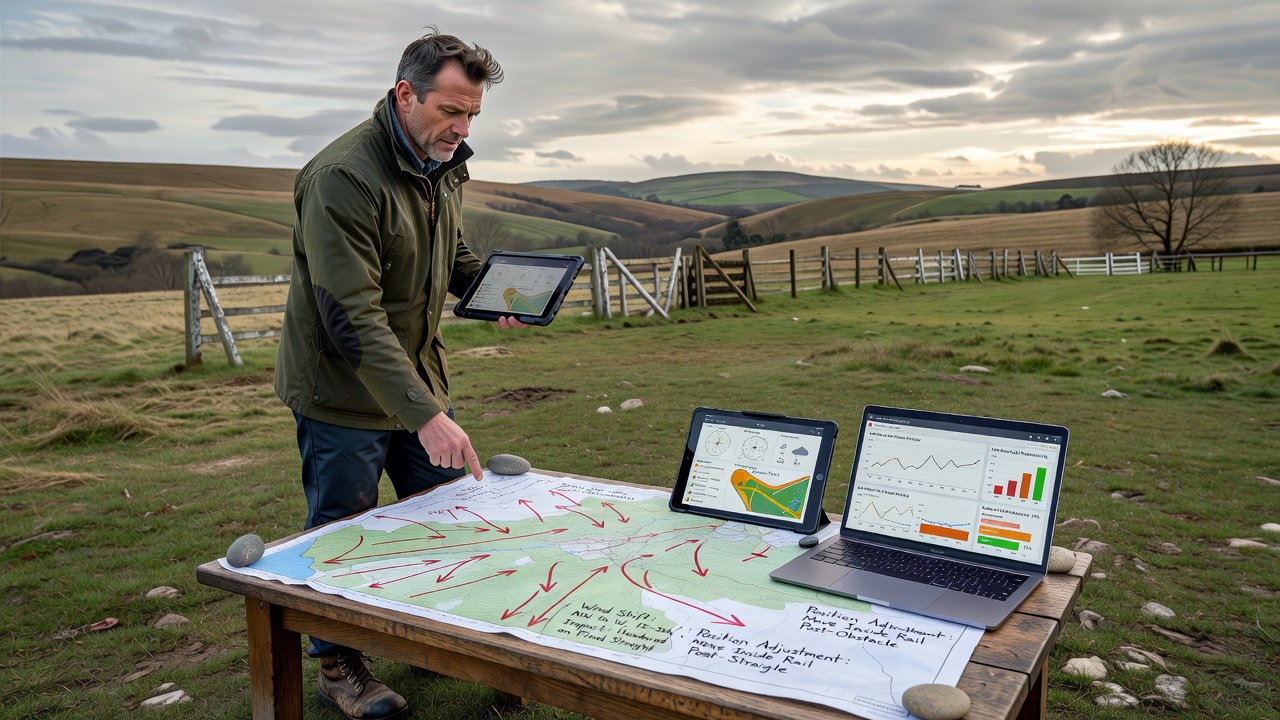
Teams compile wind data from multiple points around the course using anemometers and portable weather stations, then overlay this information onto video footage of previous renewals. The resulting maps highlight zones where gusts typically accelerate or diminish, such as the dip before the home turn or the climb away from the stands. Jockeys receive briefings that include these charts, which detail expected changes in the final two furlongs so they can decide whether to hold a position on the inside or commit to a wider route earlier than usual.
Software tools integrate live feeds from course sensors with satellite imagery, and this combination allows updates during the afternoon card when conditions evolve. One study from an Australian equine research group linked similar wind mapping approaches to improved finishing positions in jump events held on open plains, and the principles transfer directly to British downs racing.

Application in Recent Contests
During the 2025-26 season, several major meetings demonstrated how pre-race wind analysis influenced outcomes on exposed tracks. In one handicap chase, riders who adjusted for a veering crosswind maintained better balance over the last three fences and secured stronger finishes than those who stayed committed to an inside line. Preparation work conducted in July 2026 focuses on refining these models ahead of the new campaign, incorporating additional sensor placements and updated terrain simulations to account for seasonal vegetation changes that alter wind flow.
Integration with Other Race Factors
Wind considerations combine with ground conditions and pace profiles, since softer surfaces amplify the effort required against headwinds while firm ground allows horses to punch through gusts more effectively. Analysts cross-reference wind charts with sectional timing data to isolate moments where positioning shifts produced measurable advantages. This layered approach helps identify runners likely to benefit from late moves into sheltered pockets or those better suited to leading into the wind and dictating terms from the front.
Conclusion
Wind charting on exposed downs supplies a practical layer of information that refines late-race decisions in national hunt events, and continued development of sensor networks alongside performance records supports more precise applications. The method draws on established meteorological practices and equine studies to deliver objective guidance that integrates with existing race analysis frameworks.