Twilight Court Dynamics: Light Shift Patterns Shaping Stake Adjustments in Evening Tennis
Written by Paul Reed · May 19, 2026
Twilight Court Dynamics: Light Shift Patterns Shaping Stake Adjustments in Evening Tennis
Twilight tennis encounters bring a distinct set of variables into play as natural light gradually diminishes across outdoor courts, and observers note that these transitions often prompt adjustments in staking approaches among those tracking match data closely. Research from sports performance labs shows that visibility drops can alter ball perception speeds by up to 15 percent in the first hour after sunset, which in turn affects rally lengths and error rates during key points. Data collected from professional circuits indicates that serve percentages tend to fluctuate more sharply in these conditions compared to full daylight sessions, prompting strategic shifts in how participants allocate resources across individual games or sets.
Understanding Light Transitions on Court Surfaces
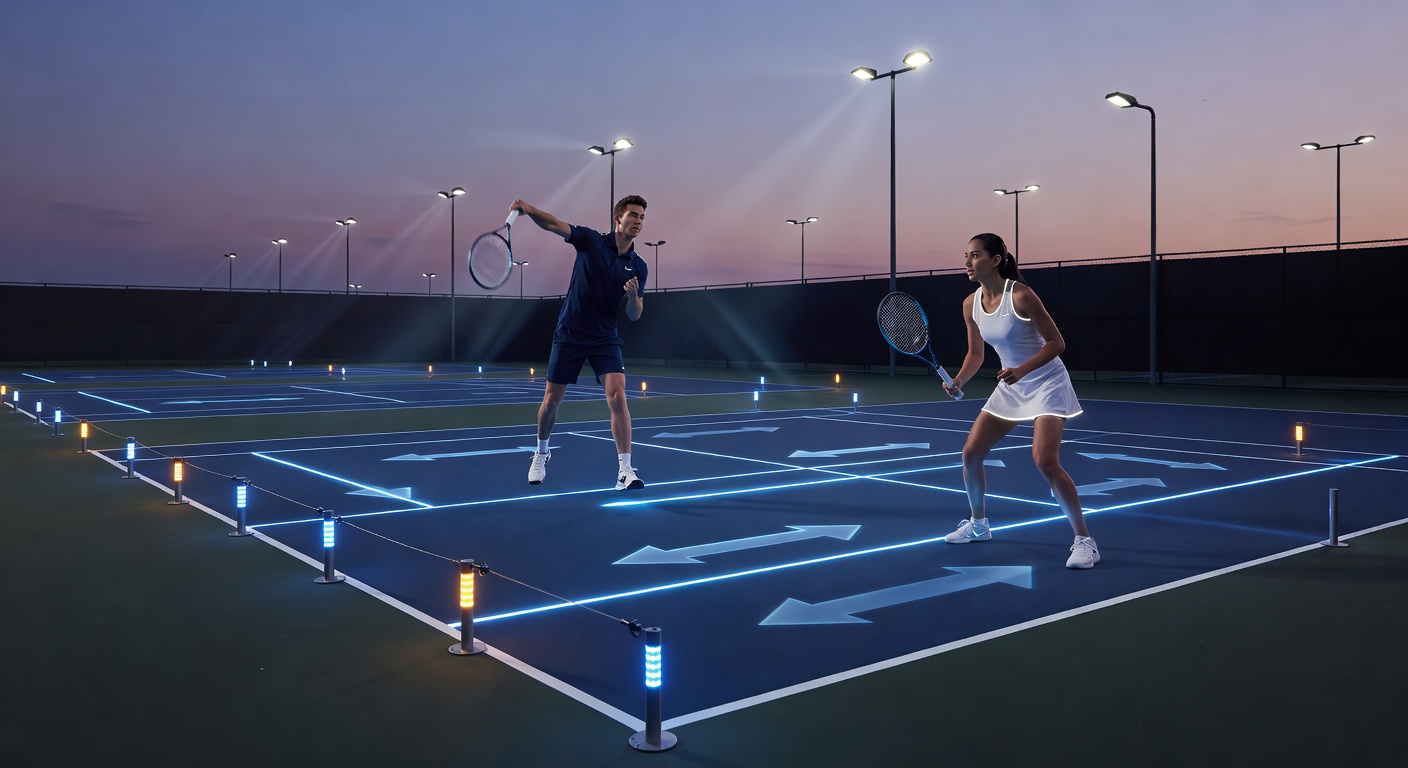
Light patterns evolve quickly during twilight hours, moving from direct overhead illumination to angled rays that create elongated shadows along baselines and service boxes, while players adapt their positioning to compensate for reduced depth perception. Studies conducted by the Australian Institute of Sport reveal that clay and hard courts exhibit different reflectivity rates under fading light, with clay surfaces absorbing more ambient glow and leading to slightly slower ball responses in later stages of evening matches. Those monitoring tournament schedules in May 2026 have tracked similar effects at events held in southern hemisphere venues, where extended daylight savings periods push twilight windows later into the evening and create extended periods of transitional visibility.
Betting patterns reflect these changes when data sets highlight increased break point conversions during the middle phase of twilight, a window when shadows begin to interfere with return positioning but before full artificial lighting takes over. Figures from multiple grand slam qualifying rounds demonstrate that underdogs sometimes capitalize on these moments, whereas favorites adjust tactics to rely more on aggressive baseline play before conditions stabilize. External factors such as court orientation and surrounding foliage further modulate how quickly light levels drop, adding layers of complexity for anyone reviewing historical performance logs.
Stake Adjustment Strategies Tied to Visibility Data
Stake adjustments during these periods often follow observable trends where early twilight favors higher-risk positions on longer rallies, yet later stages see shifts toward shorter exchanges once floodlights fully engage. According to performance metrics compiled by European sports analytics groups, matches extending past 8:30 PM local time show a measurable uptick in double fault rates that correlates with the final 20 minutes of natural light fade. Bettors reviewing these statistics frequently recalibrate their positions by scaling exposure on specific service games or by targeting totals that account for the expected rise in unforced errors.
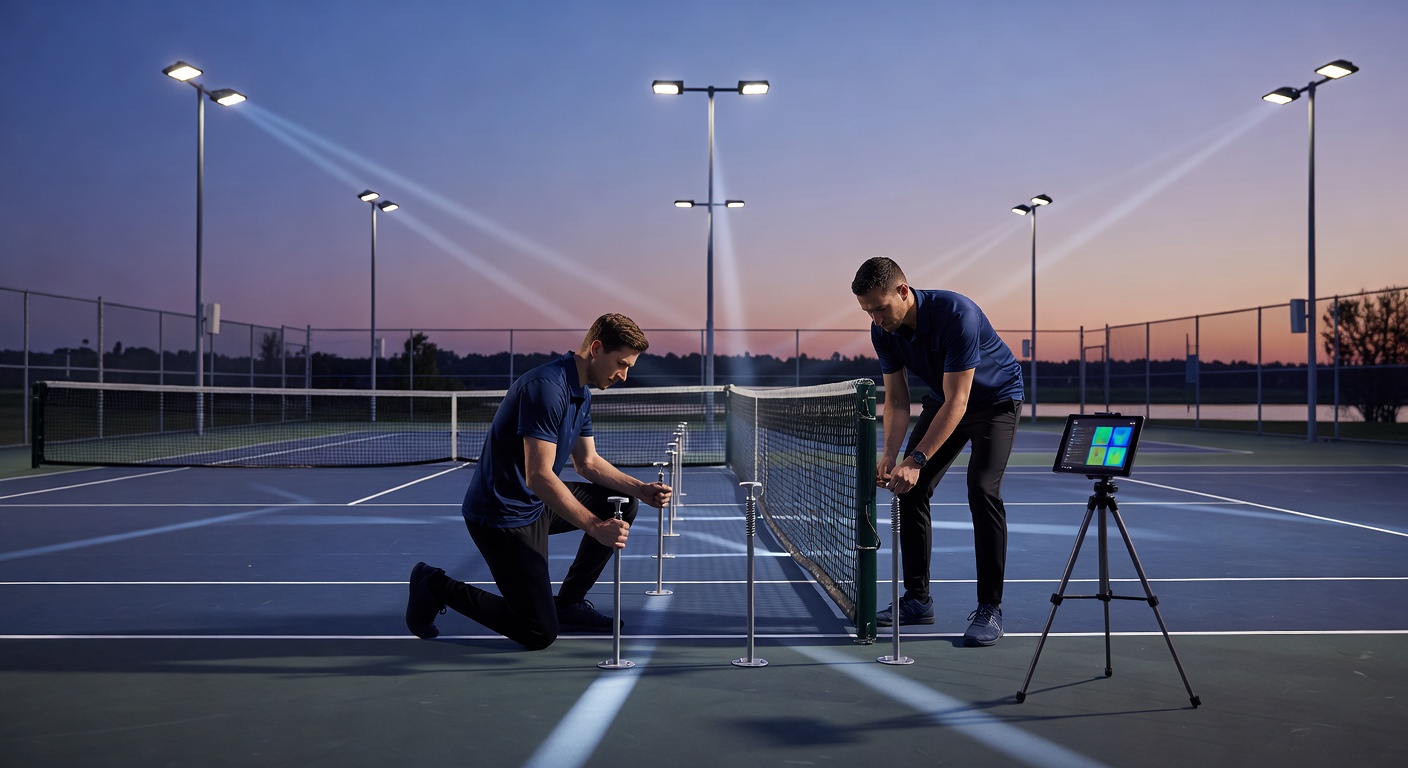
What's notable is how temperature drops that accompany sunset interact with these light shifts, sometimes stiffening ball response and shortening point durations in ways that favor certain playing styles over others. Observers tracking May 2026 schedules have recorded examples where matches scheduled at 6 PM start times transitioned into distinctly different statistical profiles once artificial lighting dominated, with ace percentages climbing as players gained clearer sightlines on serves. Such patterns encourage measured increases or reductions in stake sizes depending on whether the data points toward extended sets or quicker resolutions.
Regional Variations and Tournament Examples
Venues in different climates present unique light transition profiles, with Mediterranean locations often experiencing steeper visibility drops due to clearer skies, whereas coastal sites benefit from lingering horizon glow that extends usable natural light by several minutes. Canadian research institutions have published findings on indoor-outdoor hybrid facilities where partial roofing alters how twilight shadows form, leading to distinct performance signatures that differ from fully open courts. These variations feed directly into pre-match modeling when participants examine past results from comparable time slots and locations.
One study released by an academic team in Melbourne examined over 200 twilight sessions and identified consistent upswings in net point success rates during the initial 15 minutes of light change, followed by stabilization once full illumination occurred. This sequence has guided adjustments in how exposure is distributed across individual encounters, particularly in best-of-three formats where early momentum can dictate overall outcomes. Those reviewing such reports often cross-reference them with live conditions reported from the venue to refine timing on any position changes.
Integrating External Data Sources for Precision
Cross-referencing information from the International Tennis Federation alongside meteorological records allows for more accurate forecasting of when light levels will reach critical thresholds that influence play. Reports from North American university labs further supplement these insights by quantifying how humidity levels interact with fading sunlight to affect grip and ball flight characteristics during evening sessions. In practice, this combination of sources helps create frameworks where stake levels respond to predicted shifts rather than reacting after the fact.
Matches in May 2026 have already shown examples of these integrations at work, especially in regions where daylight extends into later evening hours and creates prolonged windows for observation. Data compiled across multiple surfaces indicates that return game hold percentages can dip by several points during peak transition periods before recovering under stable lighting, a pattern that informs decisions on when to increase or decrease commitment levels within a given match.
Conclusion
Light shift patterns during twilight tennis encounters continue to provide measurable signals that shape how stake adjustments unfold across professional circuits, with data from diverse geographic sources underscoring consistent trends in performance metrics. As schedules progress through May 2026 and beyond, those analyzing these variables gain clearer frameworks for anticipating when visibility changes will most impact rally outcomes and overall match flow. Continued collection of surface-specific and time-specific statistics promises to refine these approaches further, supporting more targeted responses to the unique conditions that evening play presents.