The Influence of Playing Surface Conditions on Draw Frequencies in European Football Leagues and Accumulator Construction Approaches
Written by Zoe Schröder · Jul 18, 2026
The Influence of Playing Surface Conditions on Draw Frequencies in European Football Leagues and Accumulator Construction Approaches
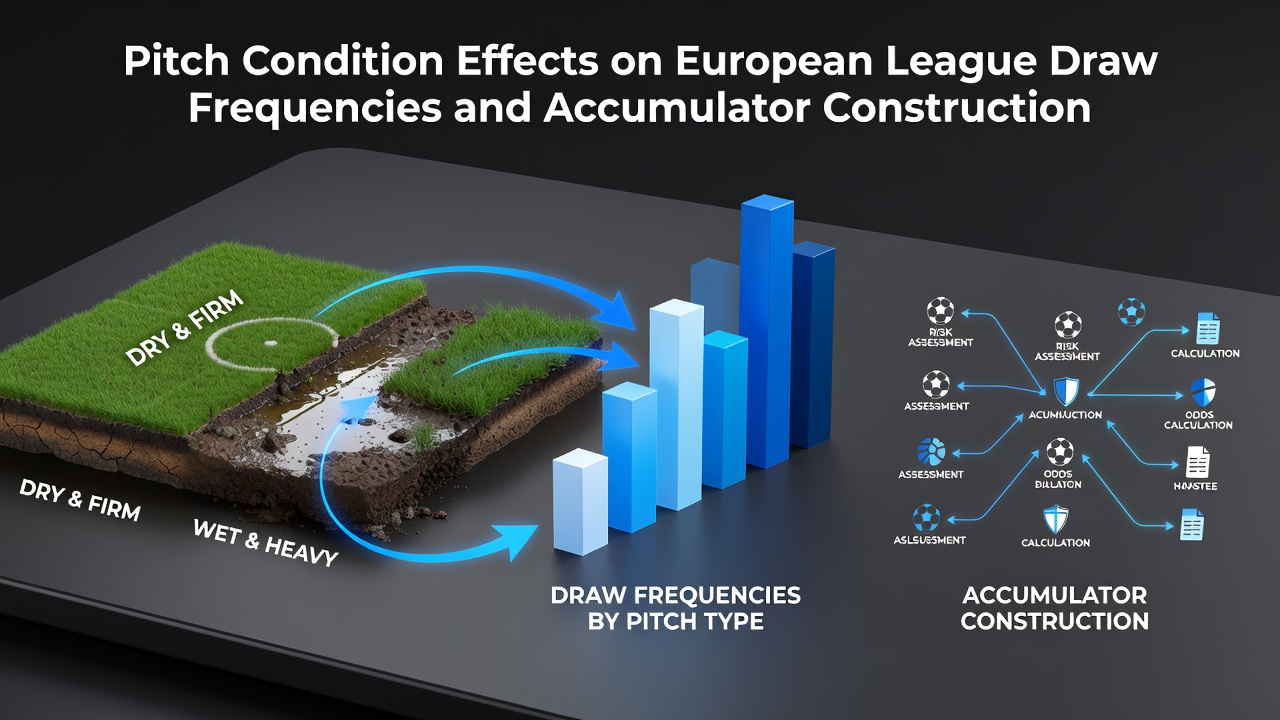
Pitch conditions across European football leagues create measurable shifts in match outcomes, particularly when it comes to draw frequencies, and those shifts feed directly into accumulator construction for bettors who track surface data through the 2025-26 campaign. Wet pitches, frozen surfaces, and heavily worn fields each alter ball movement, player traction, and overall scoring patterns in ways that statistical models capture season after season. Data from the top five leagues shows draw rates climbing on rain-soaked grounds while dropping on firm, fast surfaces where attacking play gains an edge. Observers note that these patterns hold across multiple campaigns because the physical demands of different surfaces consistently affect passing accuracy and defensive organization.Surface Types and Their Recorded Effects on Results
European leagues encounter four primary surface categories during a typical season: natural grass in optimal condition, waterlogged pitches after heavy rainfall, frozen or frost-affected fields in winter months, and heavily used artificial or hybrid surfaces late in the schedule. Research indicates that waterlogged pitches correlate with higher draw percentages because reduced ball speed limits breakthrough opportunities and encourages more conservative tactics from both sides. Frozen surfaces produce the opposite trend in several datasets, wth teams struggling to maintain control and matches often producing more open play that leads to decisive results. Hybrid pitches common in the Bundesliga and Serie A maintain consistency longer into the season yet still show draw spikes when rainfall exceeds seasonal averages. Those who've analyzed match logs over the past decade find that the effect compounds in midweek fixtures where grounds crews have less time to prepare surfaces between games.League-Specific Patterns Through Recent Seasons
The Premier League, La Liga, Bundesliga, Serie A, and Ligue 1 each display distinct responses to surface changes because of differences in playing styles and climate exposure. Bundesliga matches on rain-affected pitches have recorded draw rates several percentage points above seasonal averages according to aggregated performance data, while Serie A encounters more draws on firm pitches where defensive structures remain intact. Ligue 1 fixtures played on hybrid surfaces late in the campaign show reduced scoring that pushes draw frequency upward. These league variations matter for accumulator builders who select matches across borders because combining a Bundesliga draw candidate on a wet pitch with a Ligue 1 low-scoring selection on a worn surface creates correlated outcomes rather than independent ones. Figures from the 2025-26 season reveal similar patterns continuing into July 2026 pre-season friendlies where pitch preparation varies widely between clubs.Accumulator Construction Using Surface Data
Bettors constructing accumulators incorporate pitch condition reports by first identifying fixtures where surface state deviates from the norm for that venue and then layering selections that align with the resulting statistical bias. A common approach involves pairing multiple draw selections from leagues where wet weather dominates the schedule, while avoiding high-scoring bets on the same ticket when surfaces favor defensive play. Data shows that accumulators built around surface-adjusted draw probabilities achieve steadier returns when the ticket spans three to five matches rather than larger combinations that amplify variance. Those who monitor ground reports from multiple venues gain an edge because early weather updates often precede official announcements and allow adjustments before odds shift. July 2026 data from early European qualifiers already demonstrates how surface preparation at smaller venues influences draw likelihood in ways larger stadiums rarely replicate.