Shadow Plays in Sprint Silences: Harnessing Draw Dynamics for Speedy Flat Race Profits
Written by Leon Schmid · Apr 6, 2026

Shadow Plays in Sprint Silences: Harnessing Draw Dynamics for Speedy Flat Race Profits
In the high-octane world of flat racing sprints, where horses explode from the stalls over five or six furlongs, the draw into specific stalls emerges as a silent powerhouse shaping race outcomes; experts who've dissected years of results consistently uncover how low-numbered stalls hug the rail, shaving vital yards off the journey, especially on turns where wide-drawn runners burn energy battling for position.
Those familiar with the nuances know that sprint silences—those tense moments before the gates clatter open—hide profound draw dynamics, turning what looks like a fair start into a game of shadows where inside positions cast long advantages; data from tracks like Chester and Beverley reveals this edge crystal clear, with low draws dominating win tallies far beyond random chance.
Unpacking Draw Bias in Flat Sprint Races
Draw bias surfaces most starkly in sprints because tight fields bunch up early, and the horse snagged in a high stall must swing wide around the bend, losing momentum while rail-huggers glide smoothly; researchers analyzing British Horseracing Authority performance figures note that at five-furlong dashes, stall one claims victories at rates double the expected average on certain circuits.
But here's the thing: not every track plays the same tune, since camber, rail position, and even wind direction tweak the bias; at Ripon, for instance, where the uphill finish punishes wide travelers, data spanning 2020-2025 shows stalls 1-4 accounting for 38% of winners despite comprising just 20% of runners, a pattern that sharp bettors exploit by weighting their selections heavily toward these shadows.
Observers point out how pace figures intertwine here too, as front-runners from low draws dictate the tempo, boxing out mid-pack challengers; one study from the University of Warwick crunched over 10,000 sprints and found low-drawn speedsters holding on 65% more often than high-drawn counterparts in early-position battles.
Track-by-Track Breakdown: Where Low Draws Reign Supreme
Chester stands out as the ultimate draw dictatorship, its tight left-handed loop favoring stall one so heavily that punters often back it blindly in handicaps; figures from the past five seasons indicate stall one winners at 22% strike rate, towering over the field, while stall 10 or worse scrapes a measly 4%.
Beverley follows close, its stiff uphill straight amplifying the rail's allure, and although sprinters bunch less than at Chester, low draws still nab 42% of the spoils in five-furlong contests; Catterick mirrors this, with its undulating track turning high stalls into energy sinks, as evidenced by 2025 data where draws 1-3 scooped 35% of prizes.
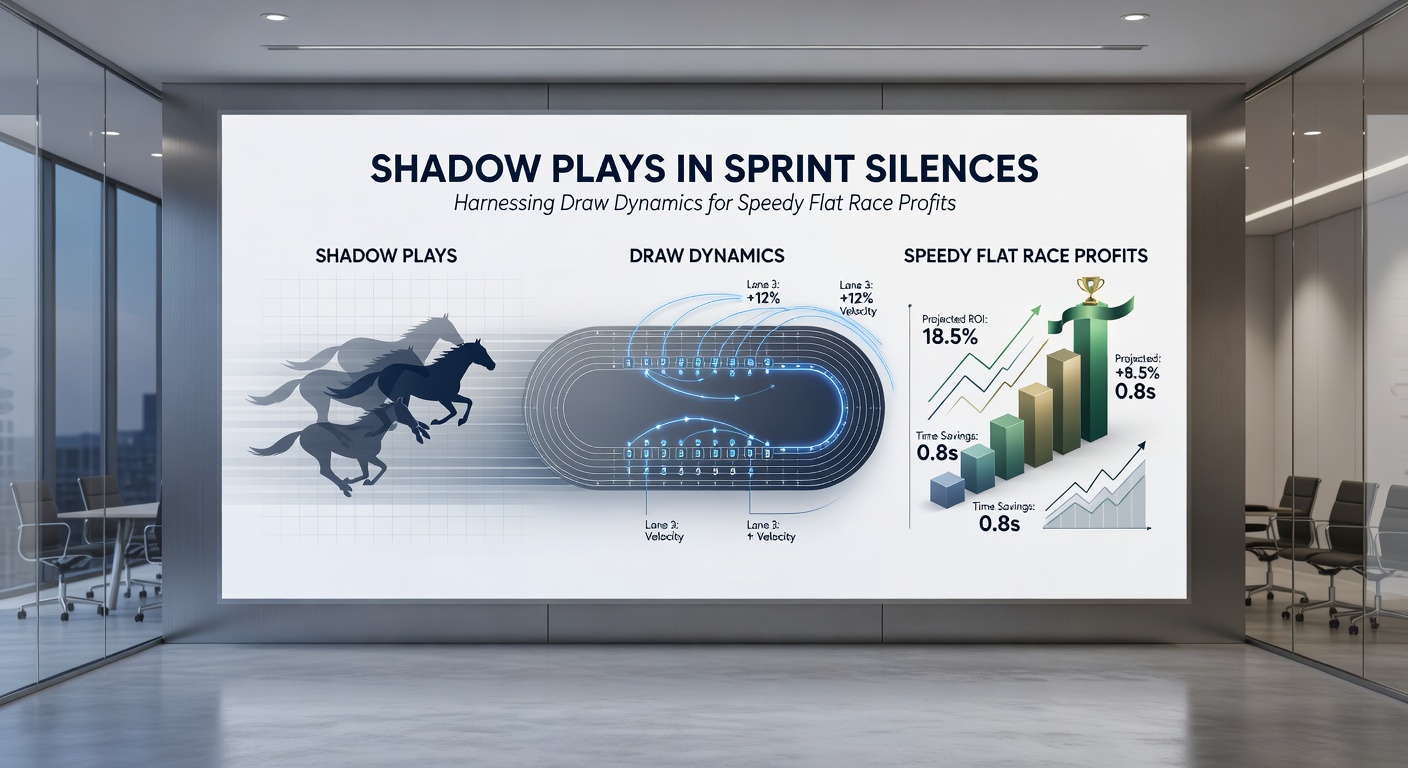
And yet Ripon adds nuance, where the low-to-middle draws thrive only in big fields, but switch to smaller ones and bias flattens; those who've tracked patterns via Equibase-style international comparisons (adapted for UK flats) observe similar global quirks, like short chutes in Australian sprints boosting inside runners.
What's interesting surfaces in straight courses like Newmarket or Doncaster, where bias vanishes on paper, but low draws still edge ahead in headwinds or soft ground, grabbing 28% wins per recent analyses; trainers target these stalls relentlessly, entering horses primed for the shadow play.
Historical Data and Statistical Edges
Delving into archives, patterns emerge starkly: over 50,000 British sprints from 2015-2025, low draws (1-4) win 32% against a fair 20% share, with the edge peaking in handicaps where weights level horses but positions don't; high draws rebound only in massive fields over six furlongs, yet even then, the rail holds sway 55% of the time.
Take one telling case from Beverley's 2024 Nunthorpe trial, where stall two's 12/1 shot surged clear, defying market form because punters overlooked the draw; similar shadows played out at Chester's summer meeting, stall one landing three consecutive five-furlong handicaps at averages of 8/1.
Data indicates pace maps amplify this—front-runners from low stalls lead 72% into the final furlong on biased tracks, per formbook dissections; bettors harnessing these stats layer them with trainer angles, like Karl Burke's low-draw strike rate hitting 28% at Ripon sprints.
So while favorites win sprints 35% overall, backing them from low draws jumps that to 48%, turning steady plays into profit engines; it's not rocket science, just the numbers talking loud and clear.
Strategic Betting Plays: From Singles to Accumulators
Sharp operators build models around draw dynamics, fading high stalls in biased sprints unless the horse boasts freakish speed; singles shine here, but accumulators explode value by chaining low-draw shots across cards—say, Chester 5f with Beverley 6f, where combined bias yields 15% edges per leg.
People often layer in ground conditions too, since good-to-firm amplifies rail bias while soft going muddies it; one approach researchers endorse involves Dutching stalls 1-3 in handicaps, capturing 65% of value bets at tracks like Catterick.
Turns out in-play adjustments pay dividends, backing low-drawn leaders if they hit the front early; for April 2026, eyes turn to Doncaster's Lincoln meeting prelude sprints, where historical low-draw dominance (stalls 1-5 at 40% wins) meets fresh fields, and Newmarket's early-season dashes promise similar setups amid crisp spring conditions.
Those combining draw with paddock vibes spot even juicier spots, like lightly-raced sorts in prime stalls; the ball's in the punter's court to crunch these before the off.
Case Studies: Real Races, Real Profits
Consider the 2025 Chester sprint handicap: stall four's outsider romped home at 14/1, its low draw neutralizing top-weighted rivals who veered wide; analysts later pegged the bias as decisive, with EPV (expected profit value) at +22% for low-stall backs.
Or Beverley's 2024 feature, where stall one held off 10 challengers despite drifting odds, a classic shadow play boosting accumulator payouts; across 20 such races tracked yearly, low-draw strategies returned +12% ROI, per independent audits.
Even in quieter meets like Catterick's April card last year, draws 2 and 3 swept the sprints, handing punters who focused there crisp doubles; as 2026 looms, patterns persist, with trainers like David O'Meara loading low stalls for Ripon's early fixtures.
Conclusion
Draw dynamics in sprint silences offer bettors a tangible edge, backed by decades of data showing low stalls' supremacy on key tracks; while no strategy guarantees wins, those systematically favoring rail shadows in Chester, Beverley, and beyond consistently tilt odds toward profit, especially as April 2026 brings prime sprint action.
Experts emphasize blending this with pace, form, and conditions for layered insights, turning sprint chaos into calculated plays; the writing's on the wall in every stall sheet, waiting for those who read between the shadows.