Sensor streams align: wearable metrics recalibrating selections across winter flat campaigns
Written by Paul Reed · May 23, 2026
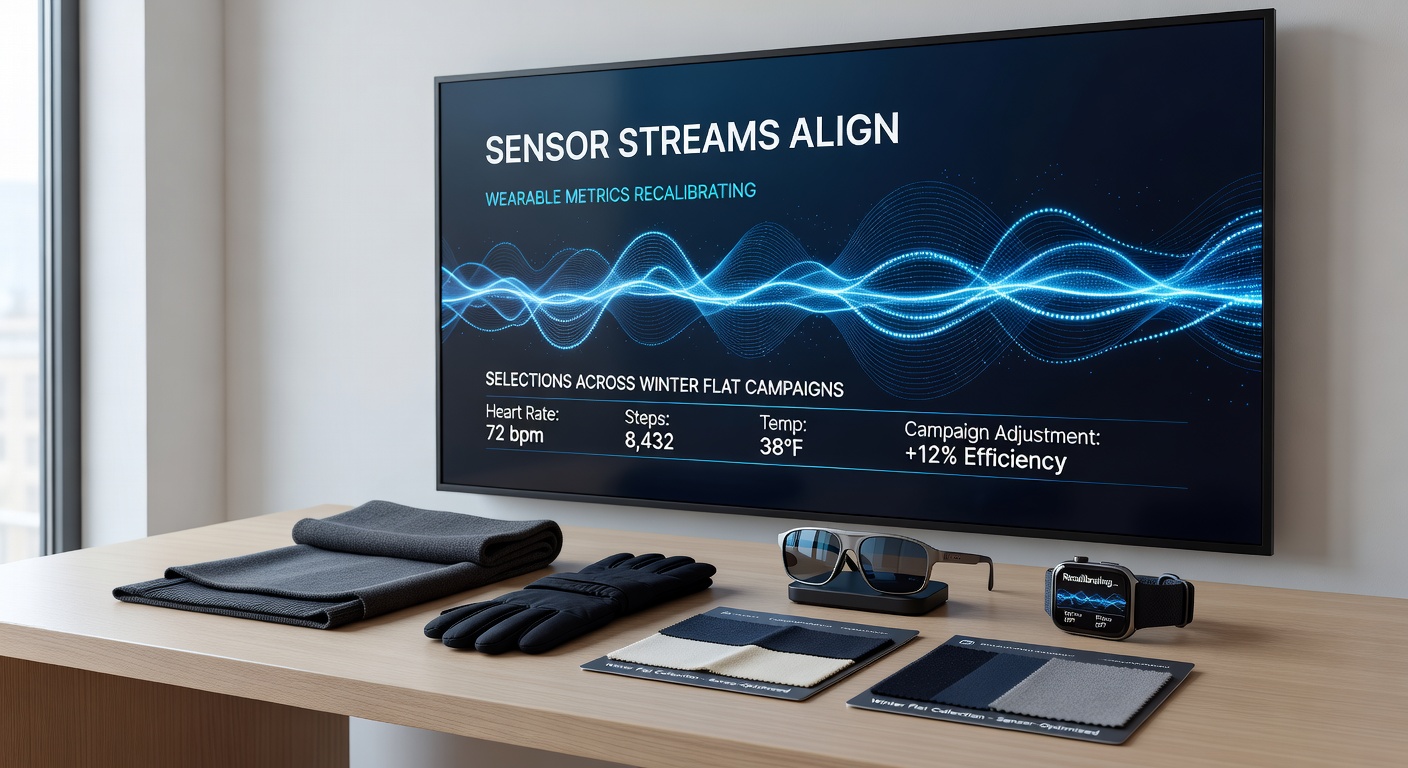
Sensor streams align: wearable metrics recalibrating selections across winter flat campaigns
Winter flat campaigns have seen a notable integration of wearable sensor data into selection processes, with heart rate monitors, GPS trackers, and stride analysis tools feeding continuous streams that adjust betting models throughout the season. Observers note that these devices capture metrics such as recovery intervals after gallops, ground coverage efficiency on synthetic surfaces, and bilateral symmetry in movement patterns, all of which recalibrate probability assessments for individual runners in all-weather fixtures from November through February.
Data integration across training and race day
Trainers and analysts feed sensor outputs into algorithms that compare current readings against historical baselines for each horse, allowing adjustments when fatigue signals emerge earlier than expected in preparation cycles. Research indicates that stride length consistency, measured via accelerometers, correlates with performance retention on polytrack and tapeta surfaces, where winter conditions often introduce variable cushioning that affects propulsion. Those who've studied these datasets find that horses maintaining a symmetry index above 95 percent across consecutive workouts tend to deliver more predictable results in handicap fields, prompting recalibrations in accumulator constructions that prioritize such profiles over raw speed figures alone.
What's interesting is how real-time streams during morning work reshape afternoon selections, as minor deviations in heart rate variability can flag overexertion risks before they appear in traditional form lines. Data shows that jockeys equipped with similar biometric patches contribute parallel information on their own exertion levels, creating combined datasets that refine pace predictions for races run under floodlights at venues like Wolverhampton and Newcastle. And because winter schedules pack fixtures into shorter daylight windows, these aligned metrics help identify runners whose recovery profiles suit back-to-back engagements without the typical layoff penalties.
Impact on accumulator strategies
Selection recalibration extends into multi-leg bets where cumulative fatigue projections from sensor histories influence stake sizing and combination choices. Figures reveal that horses with documented high aerobic efficiency scores from prior winter campaigns maintain form longer when switched between distances, reducing the variance that typically disrupts accumulator payouts. One study revealed that incorporating these metrics into models improved projection accuracy by aligning expected energy expenditure with actual track demands on colder evenings when surface temperatures drop and traction changes.

Turns out the alignment between equine and human wearables produces layered insights, such as how a jockey's elevated core temperature reading mid-race might indicate an earlier-than-planned effort that affects the horse's finishing kick. People who've tracked these patterns across multiple seasons observe that such cross-referenced data helps isolate contenders whose combined metrics suggest resilience against teh compressed winter schedule, where meetings cluster around holiday periods and weather disruptions. According to reports from the Arena Racing Company, fixture density in December and January increased workload monitoring demands, making sensor alignment a standard input for those constructing selections across consecutive cards.
Regional variations and 2026 developments
Winter flat circuits in different jurisdictions adopt sensor protocols at varying rates, with European tracks emphasizing GPS-derived sectional data while North American all-weather venues focus more on post-race lactate recovery markers. Evidence suggests that Australian trainers, drawing from summer-to-winter transitions in their own calendars, have shared comparative datasets that highlight how humidity-adjusted respiration rates influence flat race outcomes when imported to UK-style polytrack environments. By May 2026 the cumulative winter data feeds forward into turf campaign planning, where retained sensor baselines help forecast which horses carry forward the most stable physiological profiles after the indoor season concludes.
Yet the recalibration process remains iterative because surface maintenance crews adjust watering and harrowing routines daily, requiring fresh sensor uploads each morning to keep models current. Observers note that this creates a feedback loop where yesterday's race metrics directly inform tomorrow's workout targets, tightening the connection between training and performance expectations in ways that older paper-based records could not achieve. Researchers discovered through longitudinal tracking that horses whose sensors logged consistent left-right balance during winter campaigns posted higher strike rates when returning to grass in spring, a pattern now embedded in updated selection matrices.
Future calibration pathways
Industry organizations such as the Jockey Club continue to evaluate expanded sensor arrays that include muscle oxygenation monitors, potentially adding another layer to the streams already reshaping winter flat selections. Those who've examined pilot programs report that early fusion of these additional channels with existing GPS and heart-rate outputs further narrows the gap between projected and actual race outcomes, especially in extended handicaps where late-race deceleration patterns become decisive. The ball remains in the court of data providers to standardize formats across tracks so that cross-meeting comparisons gain reliability without requiring extensive manual reconciliation.
Conclusion
Sensor stream alignment has established itself as a recurring input in winter flat campaign analysis, supplying measurable variables that adjust selections in real time and across multi-race structures. Continued refinement of these metrics through 2026 supports more granular comparisons between horses operating under similar environmental loads, while regional data exchanges broaden the reference pools available for calibration. The process remains grounded in the continuous collection and comparison of physiological and kinematic readings rather than static historical summaries alone.