Pace Dynamics in Afternoon Flat Fixtures: How Early Speed Figures Reshape Layered Multi-Bet Structures Across Regional Meetings
Written by Sage Klein · Jun 4, 2026
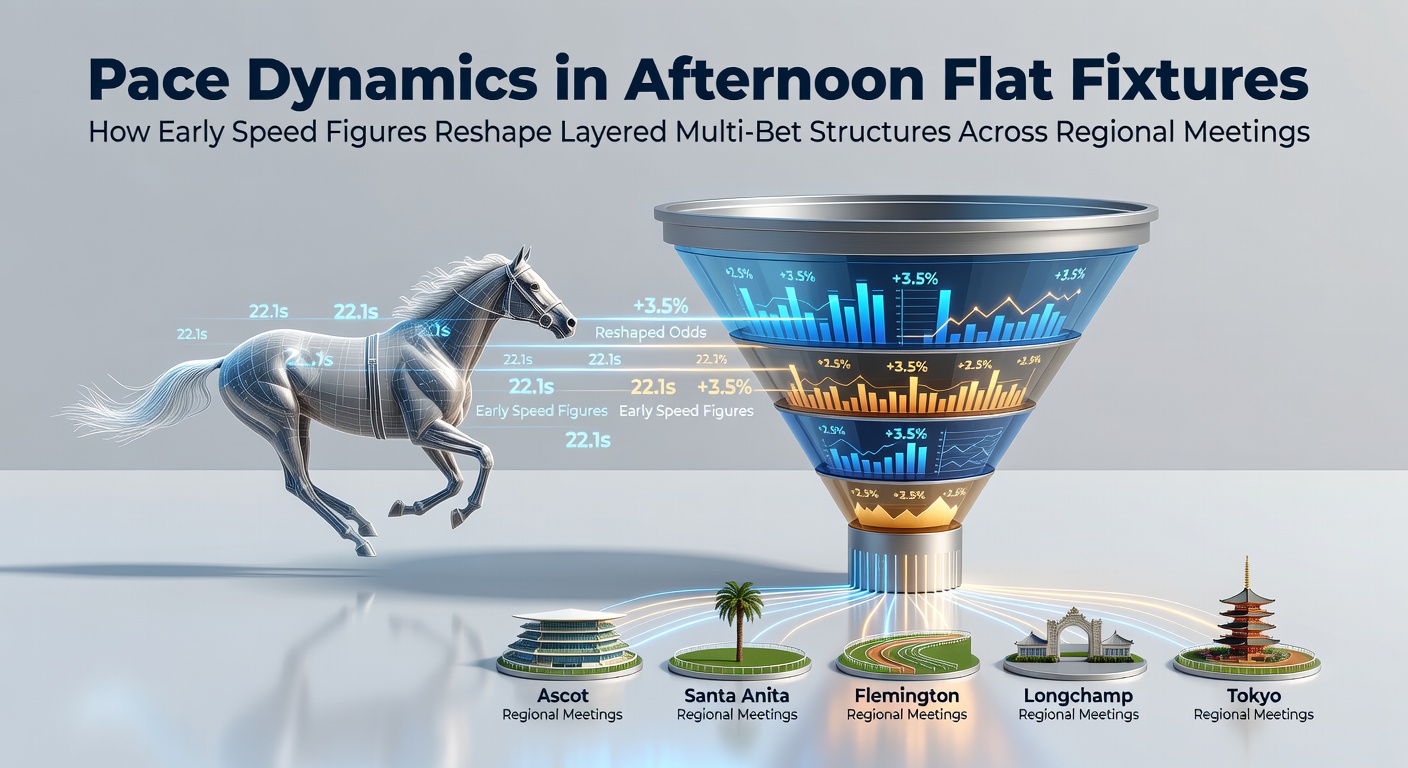
Pace Dynamics in Afternoon Flat Fixtures: How Early Speed Figures Reshape Layered Multi-Bet Structures Across Regional Meetings
Observers note that afternoon flat fixtures present consistent patterns where early speed figures dictate how bettors construct layered multi-bet structures, and these figures often emerge from sectional timing data collected at regional tracks. Data from multiple racing jurisdictions shows that horses posting strong early splits in the first two furlongs frequently influence accumulator selections across meetings in different geographic zones, and analysts track these metrics through standardized speed ratings published by official handicapping bodies.
Regional variations appear in how tracks interpret these early pace indicators, with some venues favoring front-runners due to surface composition and others rewarding mid-pack closers when early fractions run fast. Studies conducted by the International Federation of Horseracing Authorities highlight that speed figures recorded before the halfway point in afternoon races correlate with finishing positions at a measurable rate, and this correlation shifts when meetings move between northern and southern circuits during summer schedules.
Early Speed Figures and Their Calculation Methods
Speed figures derive from a combination of raw timing data, weight carried, and track conditions recorded at each meeting, and governing bodies compile these numbers into public databases that punters access for multi-leg planning. Researchers at several equine performance centers have demonstrated that early pace metrics, taken at the two-furlong marker, provide predictive value for races run on turf and synthetic surfaces alike, while adjustments for wind and rail position refine the final ratings before they feed into betting models.
Regional meetings apply these figures differently because track geometry affects how quickly horses reach peak speed, and data collected across European and Australian circuits reveals that afternoon fixtures often produce tighter early fractions than evening equivalents. Those who compile sectional data at bodies such as Racing Australia report that early speed outliers in June 2026 meetings prompted adjustments in multi-bet weighting, particularly when fields included horses returning from layoffs.
Reshaping Layered Multi-Bet Structures
Layered multi-bet structures incorporate speed figure thresholds as filters for each leg, and this approach allows bettors to stack selections from multiple regional cards without relying solely on win probabilities. Evidence from industry reports indicates that when early pace numbers exceed established benchmarks, accumulators built around those horses show altered payout distributions across different stake levels, and software platforms now integrate live sectional feeds to update these thresholds during race days.

Regional differences in fixture scheduling further influence how these structures evolve, because overlapping afternoon cards from separate circuits create opportunities to blend high early-speed runners with later closers from slower-paced meetings. Figures released by the Hong Kong Jockey Club research unit illustrate that combining pace data from multiple venues reduces variance in accumulator outcomes when bettors apply consistent early fraction cutoffs, and this method gained traction during the 2026 summer period when several regional programs aligned on consecutive weekends.
Regional Meeting Patterns in June 2026
June 2026 schedules featured dense clusters of afternoon flat fixtures across varied terrains, and analysts recorded that early speed figures from these events prompted measurable shifts in multi-bet volume on digital platforms. Observers tracking northern versus southern circuits noted that tracks with tighter turns produced more pronounced early pace differentials, while wider configurations allowed sustained fractions that altered selection criteria for layered bets spanning several meetings.
Data compiled from international racing federations shows that bettors who filtered selections using early speed thresholds achieved different return profiles compared with those relying on overall ratings alone, and this distinction held across both European and North American regional cards. Meetings in that month also demonstrated how surface changes mid-week affected subsequent pace readings, forcing adjustments in accumulator construction that incorporated updated sectional benchmarks.
Integration of Pace Data Across Multiple Cards
Multi-bet operators and independent analysts increasingly merge pace metrics from separate regional fixtures into unified models, and this integration relies on standardized timing equipment now deployed at most major tracks. Research published through the Equine Performance Studies Consortium confirms that early speed figures maintain reliability when aggregated across different jurisdictions, provided surface and distance variables receive proper calibration before model application.
Regional meetings continue to supply fresh data points each afternoon, and those compiling historical archives observe that consistent early pace patterns recur within specific track families even as overall field quality fluctuates. This recurrence supports the ongoing refinement of layered betting frameworks that treat speed figures as dynamic inputs rather than static filters, allowing structures to adapt as new information arrives from concurrent fixtures.
Conclusion
Pace dynamics in afternoon flat fixtures therefore function as measurable inputs that reshape how layered multi-bet structures form across regional meetings, and the integration of early speed figures continues to evolve with improved data collection methods. Observers tracking these developments note that regional variations in track characteristics maintain distinct influences on final outcomes, while aggregated statistics from multiple sources provide the foundation for consistent analytical approaches throughout the racing calendar.