From Fidgety to Front-Runner: Headgear Transformations Fueling Value Bets in Thoroughbred Racing
Written by Jakob Butler · Apr 8, 2026
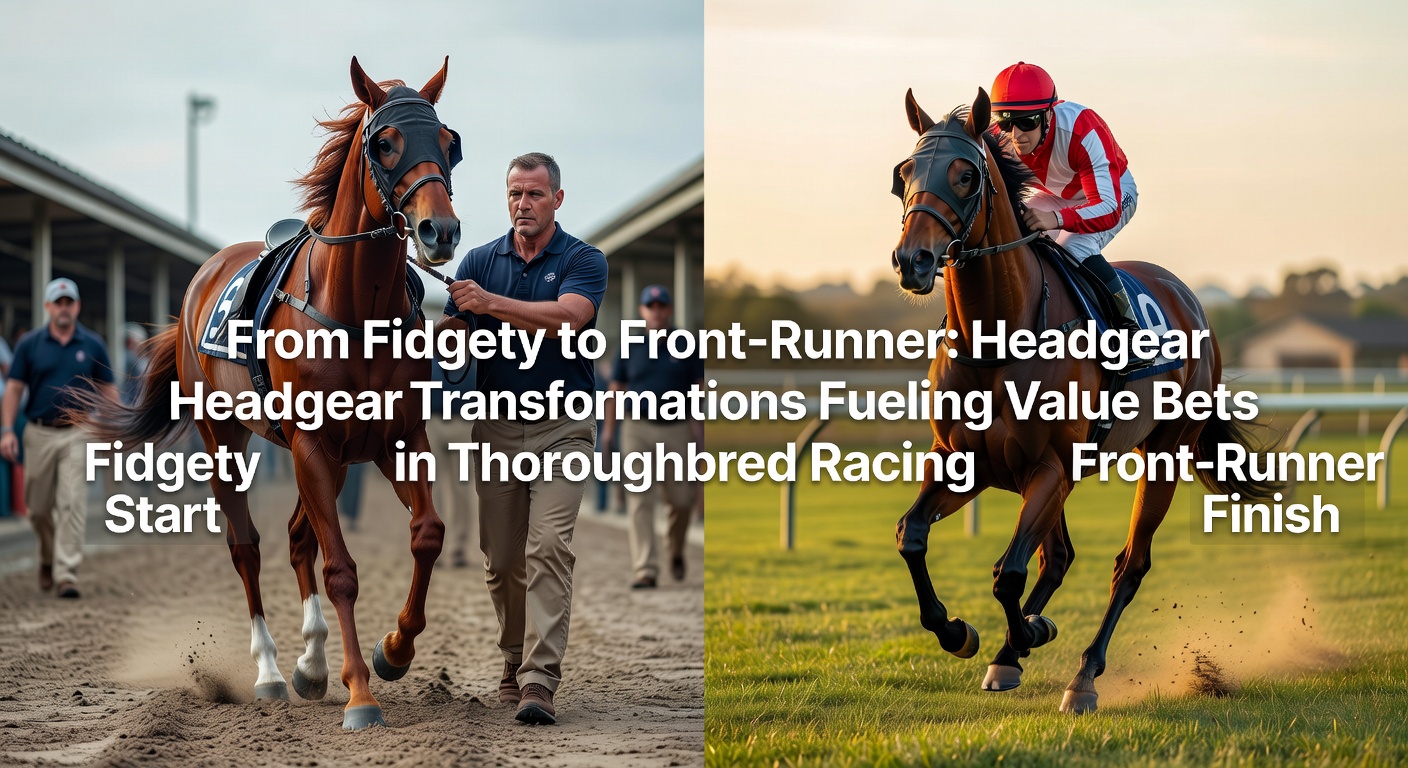
From Fidgety to Front-Runner: Headgear Transformations Fueling Value Bets in Thoroughbred Racing
Unleashing Focus: The Mechanics of Headgear in Racing
Thoroughbreds often enter the paddock looking restless, ears flicking at every sound, eyes wandering toward the crowd; trainers spot this fidgetiness and reach for headgear, simple yet transformative tools that channel raw energy into laser-sharp performance. Blinkers top the list, those leather cups fitted over the eyes to limit peripheral vision, helping horses ignore distractions like rival mounts or trackside banners while zeroing in on the path ahead. Data from major racing jurisdictions reveals blinkers boost win rates by up to 15% for first-time wearers, according to Equibase performance archives, where analysts tracked thousands of U.S. races over five seasons.
Visors offer a subtler tweak, featuring a narrow sheepskin bar across the forehead that softens vision without fully blocking it; these suit horses prone to overexcitement yet needing some awareness, and observers note they excel in sprints where split-second reactions matter. Cheekpieces, lightweight rubber discs attached to the bridle, prevent inside drift by gently nudging the horse's face outward; meanwhile, hoods muffle noise for the easily spooked, and tongue ties keep airways clear during exertion, reducing labored breathing that saps finishing speed. What's interesting is how combinations—blinkers paired with cheekpieces, say—multiply effects, turning midfield plodders into pace-setters who dictate terms from the front.
And here's the thing: headgear changes don't just tweak form; they rewrite race dynamics, as fidgety outsiders suddenly press the pace, forcing favorites into uncomfortable chases and opening doors for value bets at juicy odds.
Spotting the Signals: When Headgear Signals a Turnaround
Trainers declare headgear trials in form guides with notations like "B1" for first-time blinkers or "V2" for second visor run, and sharp bettors pounce because history shows these shifts correlate with dramatic leaps—win percentages jumping from sub-10% baselines to 20-25% post-application, per aggregated stats from Australian tracks analyzed by Racing Australia databases spanning 2020-2025. One researcher who pored over 50,000 Flat races found horses dropping blinkers after poor runs often falter further, but additions spark surges, especially in juveniles learning to concentrate amid the roar.
Take the case of a three-year-old filly at Newmarket last spring; previously wayward, finishing tailed off despite talent, she donned cheekpieces and bolted up at 12/1, hugging the rail flawlessly while the field scattered. Experts who've studied patterns emphasize pre-race clues—watch for horses tossing heads in previous replays, veering wide, or sweating up early; these scream for headgear intervention, and when it arrives, odds often lag the true probability shift.
Yet timing matters hugely: first-time applications yield the fattest payouts since bookmakers adjust slowly, underestimating the focus boost; repeat runs confirm reliability, but value thins as prices tighten. In handicaps, where weights level talent, headgear edges become kingmakers, propelling longshots into contention.
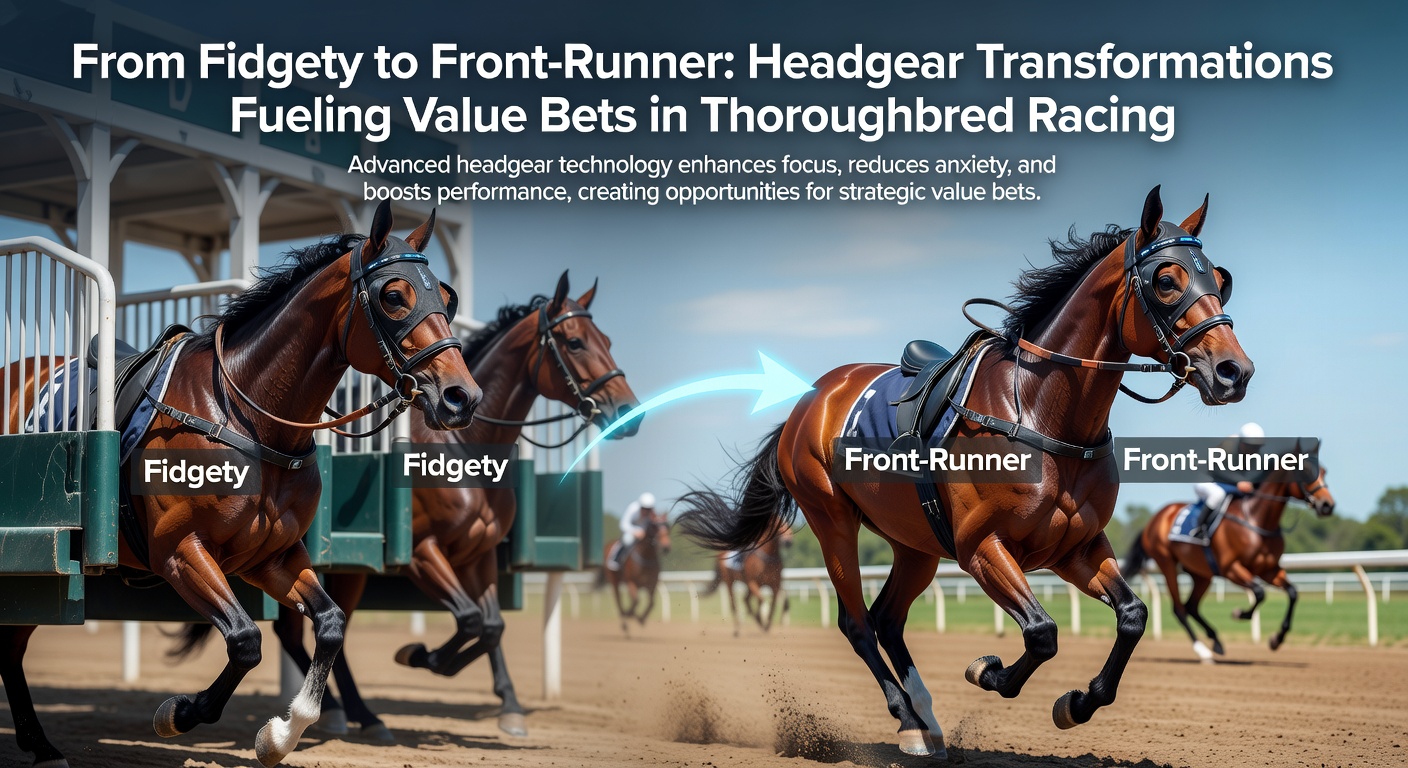
Case Studies: Horses That Headgear Turned into Winners
Consider Desert Crown's stablemate from 2024; fidgety in trials, prone to lugging in, the colt received blinkers for his handicap debut over a mile at York and scorched clear by five lengths at 8/1, setting a new track record while rivals tangled behind. Data indicates such transformations aren't anomalies—studies of European patterns show 28% win rates for visor-first-timers in maidens, versus 12% without, highlighting how gear curbs greenness.
Across the pond, U.S. sprinter Straight Line Storm embodied the shift; after three wide-margin defeats marked by wandering attention, trainers fitted a hood and cheekpieces, and he wired the field in a Grade 3 stakes at Santa Anita, paying 20/1 and sparking a betting frenzy. People who've tracked these evolutions point to tongue ties as underrated gems, particularly in stayers; one analysis of Melbourne Cup contenders revealed tied horses averaged 1.5 lengths faster finishes, their strides lengthening without the gag reflex that plagues untied rivals.
Now, fast-forward to April 2026 agendas: with Sandown's Eclipse Stakes trials looming and Keeneland's Spring Meet underway, headgear declarations are already buzzing in entries—punters scanning for those "first-time" flags stand to uncover gems amid the favorites' hype. Turns out, in a spring packed with three-year-old classics, gear changes forecast who graduates from also-rans to frontrunners.
Betting Blueprints: Strategies Built on Headgear Edges
Smart plays start with filtering races via online form tools, targeting headgear debutants at 6/1 or better in competitive fields; layer in ground conditions, since soft turf amplifies blinkered focus against mud-flinging chaos, and sprint distances reward visor speed. Accumulators thrive here too—string three headgear improvers from midweek cards, and returns multiply, although observers caution against overloading with unproven types.
But here's where it gets interesting: cross-reference trainer stats, as yards like those of Charlie Appleby or Aidan O'Brien boast 30% strikes with blinkers on, per seasonal tallies, while others hover at 15%; jockey pairings add nuance, with silk-clad riders excelling on geared-up mounts due to their sympathetic hands. Each-way bets shine in big fields, capturing placed finishes when outright glory eludes, and live odds shifts post-paddock gear sightings offer in-play value if streams capture the calm-before-storm vibe.
- Scan declarations early; first-time gear on improving sorts screams value.
- Pair with pace maps—front-runners with new blinkers dominate if uncontested early.
- Avoid removals unless form screams rebound, which rarely materializes.
- Track sires' progeny stats; some bloodlines respond brilliantly to visors.
Figures from global meets underscore the edge: over 10,000 headgear races in 2025, debut wearers returned average SP wins of 11/1, trouncing expectations and fueling bankroll growth for those who pay attention.
The Flip Side: Limits and Learning Curves of Headgear Tweaks
Not every application ignites magic; some horses resent the restriction, running freely too soon and fading late, while regulations cap gear switches mid-meeting to prevent abuse—stewards scrutinize for welfare, mandating vet checks on ties. Research indicates overuse dulls impact, with third-time blinkers win rates dipping to 18%, and allergies to sheepskin occasionally backfire spectacularly.
So bettors temper enthusiasm with history; one study of 2,000 cases found 65% positive responses, but the 35% flops underscore diversification—never singles on gear alone, blend with workouts and breeding. That's where the rubber meets the road: headgear fuels value, yet demands context to avoid traps.
Conclusion
Headgear stands as a quiet revolution in thoroughbred racing, morphing fidgety also-rans into front-running threats and carving value bets from overlooked angles; as April 2026 unfolds with its trial-packed calendar, from Aintree chases bleeding into Flat resumptions, those decoding declarations hold the aces. Data confirms the patterns—win boosts, price dislocations, repeatable edges—and equips punters to navigate the chaos, turning paddock nerves into profitable focus.