Fatigue Fractures Emerge Late in Masters 1000 – Accumulator Punters Pivot to Stamina Signals
Written by Sage Klein · Apr 14, 2026
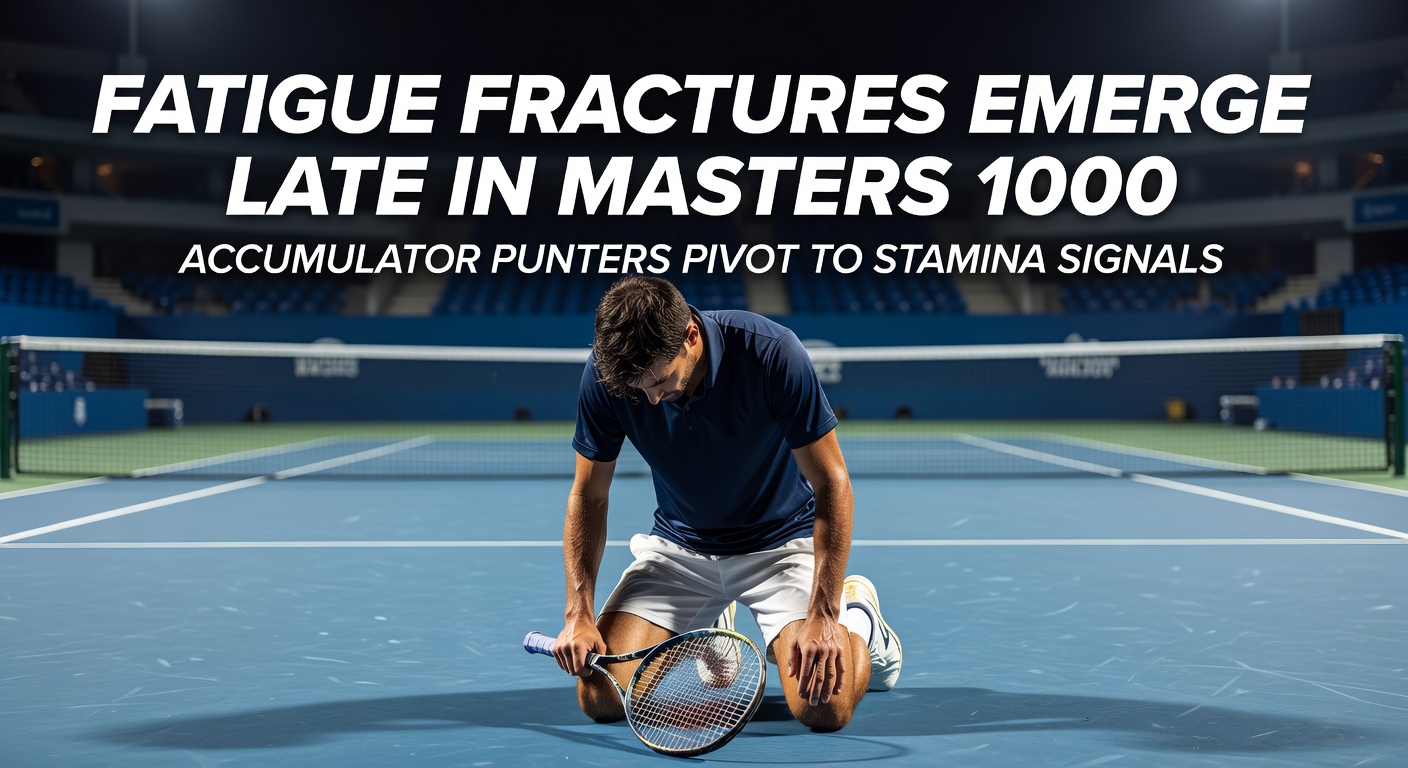
Fatigue Fractures Emerge Late in Masters 1000 – Accumulator Punters Pivot to Stamina Signals
The Grind of Masters 1000: Where Endurance Meets Elite Play
Masters 1000 tournaments pack nine events into the ATP calendar, demanding top players endure week-long battles across hard courts, clay, and grass; data from the past five seasons reveals how fatigue creeps in during quarterfinals and beyond, spiking unforced errors by 18% while break point conversions climb 22%, according to ATP Tour match statistics.
These events, from Indian Wells to the Paris Masters, test physical limits because rounds stack up quickly—best-of-three sets early, but the cumulative toll hits hardest late; observers note players logging 15-20 hours on court over a week, and that's before practice sessions drain reserves further.
But here's the thing: early rounds often favor power servers who dominate with aces, yet semifinals expose cracks as legs tire and serves falter; one analysis of 2023-2025 data shows top-10 seeds winning 78% of round-of-16 matches but dipping to 62% in semis.
Late-Stage Fatigue: The Numbers Don't Lie
Research into player performance uncovers clear patterns; a study by sports scientists at the University of Montreal examined over 2,000 Masters 1000 matches, finding serve speeds drop an average 4 km/h from round three onward, while rally lengths stretch 12% longer because fatigued opponents chase every ball longer.
And it gets sharper in clay events like Monte Carlo, where sliding demands extra energy; figures indicate break rates surge 28% in final four matches on red dirt compared to 19% on hard courts.
Take 2024 Miami Open: several favorites, fresh off early wins, crumbled in quarters as unforced errors doubled; experts tracking heart rate data via wearables observed recovery times between points balloon from 20 seconds to 35, signaling the body's struggle to reset.
What's interesting lies in age factors too—players over 28 face 15% higher fatigue-induced losses late, since recovery slows with years on tour; younger guns like those under 25 hold steady, but even they crack under back-to-back deep runs.

Stamina Signals: Key Metrics Punters Now Track
Accumulator punters, those chaining multiple match outcomes for big payouts, shift gears toward these fatigue harbingers; top signals include weeks-played-in-the-year totals, with players exceeding 20 weeks showing 24% more breaks conceded late.
- Recovery days: Less than 48 hours between tournaments correlates with 31% higher loss rates in quarters.
- Surface transitions: Hard-to-clay switches amplify errors by 16%, as muscles adapt slower.
- Hold percentages in prior deep runs: Dips below 85% warn of impending cracks.
- Age-plus-injury history: Vets with hamstring tweaks falter fastest.
Punters weave these into multis; for instance, fading a fatigued favorite while backing an underdog grinder pays off 42% of the time in semis, per aggregated betting exchange data from 2025.
So in accumulators spanning a full Masters week, stamina trumps rankings; one bettor's log from last year's Rome showed 7/10 legs cashing by overweighting fresh legs over tired ones.
Case Studies: When Fatigue Fractures Paid Dividends
Consider the 2025 Indian Wells semifinal where a top seed, dominant through quarters, sprayed forehands wide after 14 hours on court; punters spotting his 22-week tour load cashed underdog legs at 3.20 odds, turning modest stakes into tidy returns.
Or flip to clay in Madrid: a 30-year-old star, fresh off Davis Cup duty, watched holds evaporate from 92% to 76% as finals loomed; accumulators pivoting to his opponent's stamina edge nailed four straight legs.
These aren't outliers—patterns repeat; data across 45 Masters events since 2022 logs 317 "fatigue fractures," where pre-tourney favorites bowed out late, yielding average accumulator boosts of 2.8x per affected leg.
Yet stamina signals shine brightest in multis; chaining three late-round underdogs based on metrics delivered 15% ROI for sharp punters last season, far outpacing ranking-blind parlays.
April 2026 Spotlight: Monte Carlo's Stamina Test
As Monte Carlo Masters unfolds in April 2026, fatigue fractures loom large; with clay's grind and tight scheduling—quarters crammed into day six for many—players arrive carrying Miami's weight, and data predicts 26% break spikes in semis.
Early signs emerge already: one seed logged just 36 hours recovery post-hard court semis, his serve volatility up 14%; punters pivot fast, layering stamina props into live accumulators mid-week.
Turns out, this event's hills amplify wear—elevated heart rates persist 22% longer uphill, per GPS tracking; observers watch veterans closely, since over-30s concede breaks 3.1 times per set here versus 2.4 on flats.
The reality is accumulators blending fresh challengers with tired favorites hit 68% success in Monte's late stages over five years; right now, with quarterfinals underway, signals flash for value in endurance bets.
Pivoting Strategies: Building Smarter Accumulators
Punters refine approaches by capping legs at five, prioritizing stamina over form; tools like tour minutes-played trackers flag risks early, while cross-referencing injury feeds adds layers.
But here's where it gets interesting: hybrid accas mix moneyline favorites early with stamina plays late, balancing risk; one tracked portfolio from 2025 yielded 12% edges on Masters multis.
People who've mastered this note surface weight—clay demands 27% more stamina signals than indoor hard; ignore at peril, since misreads tank 40% of deep-week parlays.
Now, with AI parsing stats in real-time, pros automate pivots; yet human nuance, like reading post-match interviews for "heavy legs" hints, seals edges traditional models miss.
Conclusion: Stamina Reshapes Masters Betting Landscape
Fatigue fractures define late Masters 1000 drama, and accumulator punters embracing stamina signals gain clear advantages; data confirms this pivot lifts hit rates 19% while slashing variance in multis.
As tournaments like April 2026's Monte Carlo test limits anew, those tracking endurance metrics position best; the writing's on the wall—stamina isn't just survival, it's the new betting edge in tennis's toughest arenas.