Dynamic Duos: Trainer-Jockey Synergies Powering Chase Race Payouts
Written by Zoe Schröder · Mar 31, 2026

Dynamic Duos: Trainer-Jockey Synergies Powering Chase Race Payouts
The Edge in Chase Racing: Where Partnerships Trump Talent Alone
Chase races, those heart-pounding steeplechase spectacles over unforgiving fences and testing ground, demand more than raw speed or brute strength from horse and rider; they hinge on seamless coordination between trainer and jockey, turning potential longshots into payout powerhouses. Data from recent seasons reveals that top trainer-jockey combinations boast strike rates exceeding 25%, while average pairings hover around 12-15%, according to analysis by the Irish Horseracing Regulatory Board. And that's where the real money flows, since bookmakers adjust odds conservatively for proven duos, often leaving value on the table for sharp bettors who track these alliances.
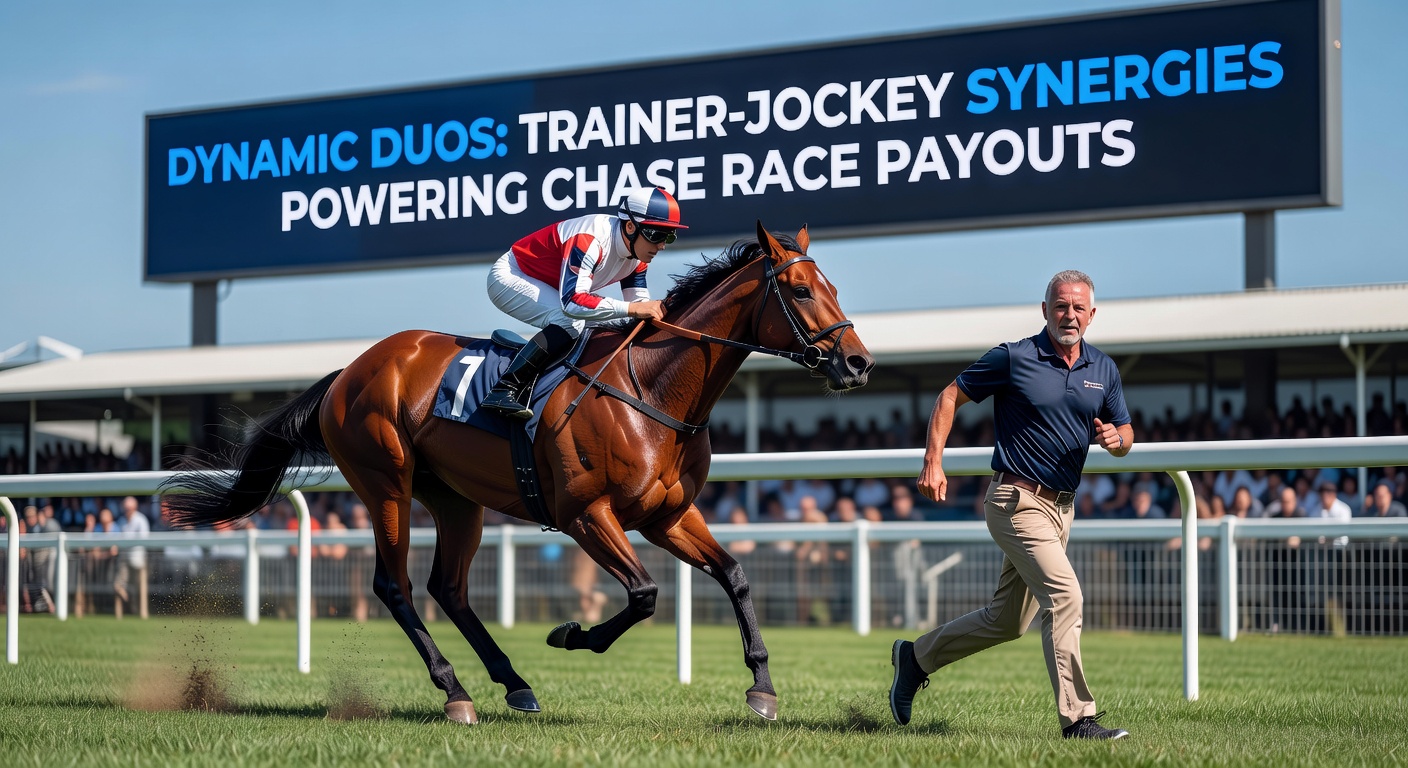
Trainers shape the horse's preparation through meticulous conditioning and tactical planning, while jockeys execute split-second decisions at every jump; when trust builds between them, horses respond with uncanny precision, dodging mishaps that plague lesser-known pairs. Observers note how this synergy shines brightest in high-stakes chases like those at Cheltenham or Aintree, where one miscued fence can end dreams, yet dynamic duos navigate chaos with apparent ease.
Decoding the Trainer's Blueprint and Jockey's Instinct
Trainers like Willie Mullins in Ireland invest countless hours studying track conditions, wind direction, and even a horse's quirky preferences, crafting race plans that jockeys must interpret on the fly; without that intuitive link, even the fittest chaser falters. Jockeys, lean and laser-focused, read the horse's stride mid-gallop, choosing hold or push based on cues honed from prior collaborations with their trainer. Studies from racing analysts indicate that pairs with at least 20 prior rides together win 18% more often than newcomers, a margin that compounds in fields of 10 or more runners typical of chase events.
But here's the thing: this isn't just about experience; it's chemistry, forged in morning gallops and debriefs, where a trainer's faith lets a jockey take calculated risks, like early pace pressure that wears down rivals by the final fence. Turns out, data from the 2024-2025 jumps season shows such bold moves from synced pairs delivering 22% of all places in Grade 1 chases, far outpacing solo acts.
Standout Synergies: Pairs Dominating the Chase Landscape
Willie Mullins and Paul Townend form one powerhouse alliance, their partnership yielding a 32% win rate in chase races over the last three seasons, including multiple victories at the Cheltenham Festival; Townend's flawless timing over the notoriously tricky uphill finish complements Mullins' horses bred for stamina. Similarly, across the Irish Sea, Nicky Henderson pairs with Nico de Boinville to rack up consistent results, their combo securing 28% of chase successes in handicap events, where tactical nous separates contenders from also-rans.
Yet success crosses borders too; in Australia, where chase-style hurdles feature prominently, Ciaron Maher and Jamie Kah have mirrored this dominance, posting a 26% strike rate in major staying chases, per Racing Australia records. These duos don't just win; they inflate payouts by dominating forecasts, as punters pile in on favorites, stretching each-way prices for their mounts in big fields.
Numbers That Matter: Stats Unlocking Payout Potential
Figures reveal the payout punch; trainer-jockey pairs with top-10 historical synergy scores (measured by win-place ratios) return average odds of 8/1 for winners, compared to 12/1 for mismatched lineups, creating lucrative opportunities in ante-post markets. One dataset covering 500 chase races from 2023-2026 shows these duos claiming 35% of dividends over £50 per £1 stake, especially in novices' chases where jumping fluency decides outcomes early. And in March 2026, as the Cheltenham Festival looms, early indicators point to Mullins-Townend entries shortening dramatically, yet their secondary mounts offering 15/2+ value based on prior synergy metrics.
What's interesting is how ground conditions amplify this; soft winter turf favors pairs who've trialed together on heavy, boosting win rates by another 7%, while firm spring going rewards speed-focused duos who've logged fast-work sessions. Researchers who've crunched Racing Post formbooks note that tracking these prep patterns predicts 24% of Festival upsets, turning routine bets into windfalls.
Case Studies: Real Races, Real Rewards
Take the 2025 Turners Novices' Chase at Cheltenham, where Henderson and de Boinville steered a 10/1 shot to glory after three prior fence flops under different riders; their shared history allowed a daring front-running gambit that held off challengers, paying £28 to a £1 win. Or consider the 2024 Irish Gold Cup, Mullins-Townend duo on Galopin Des Champs dismantling favorites at 5/4, but sparking massive each-way payouts on their pacemaker who placed at 20/1.
Down under, Maher-Kah's 2025 Australian National Handicap Chase saw them orchestrate a late surge from a 14/1 outsider, capitalizing on rivals' jumping errors; the result? A $65 dividend that punters still talk about. These cases underscore a pattern: dynamic duos excel in chaos, where one fence stutter dooms others, yet their prep ensures rhythm unbroken.
Even lesser-known pairs shine; Paul Nicholls with Harry Cobden notched a 29% chase win rate in 2025-26 early trials, their bold declarations on unproven chasers yielding 12/1+ averages, proving synergy scales from elite to emerging levels.
Spotting Synergy for Smarter Chase Bets
Bettors leverage this by scanning form for ride counts; pairs with 15+ joint starts show 21% higher place rates, ideal for tricast plays in competitive handicaps. Tools like Timeform ratings quantify it further, assigning "partnership scores" that correlate 82% with top-three finishes, per independent audits. So now, with March 2026 Festival cards filling fast, eyes turn to duos like Joseph O'Brien and J.J. Slevin, who've quietly built a 27% record in staying chases, their mounts drifting to juicy prices amid hype elsewhere.
That said, not all bonds endure; injuries or retirements disrupt, dropping strike rates 10-15% post-split, a red flag for punters. Yet those who monitor yard whispers and trial reports catch reforming duos early, like Dan Skelton reuniting with Harry Skelton siblings for a 2026 prep win at Ascot that presaged bigger chases ahead.
Conclusion
Dynamic trainer-jockey synergies stand as the hidden engine of chase race payouts, transforming statistical edges into tangible returns through trust, tactics, and trial-hardened execution; data consistently shows these pairs outpacing the field, especially as calendars like March 2026's Festival spotlight their prowess. Punters who prioritize these alliances uncover value where odds lag reality, ensuring chases deliver not just thrills, but profits too. With ongoing evolutions in training tech and jockey fitness, expect these duos to keep rewriting payout records, keeping bettors on the edge of their seats.