Decoding the Draw: Stall Positions' Hidden Sway Over Juvenile Sprint Verdicts
Written by Zoe Schröder · Apr 25, 2026
Decoding the Draw: Stall Positions' Hidden Sway Over Juvenile Sprint Verdicts
The Basics of Stall Bias in Juvenile Sprints
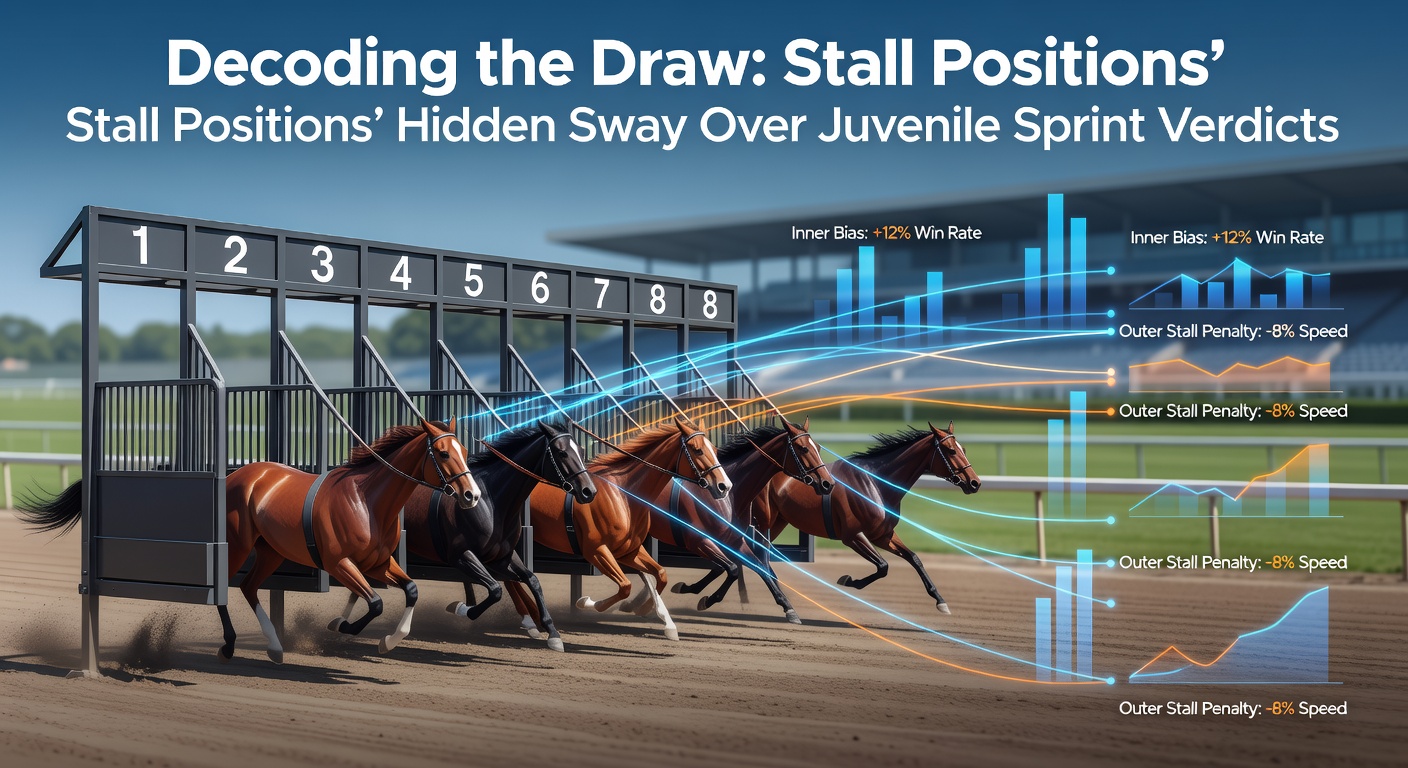
Juvenile sprints, those blistering 5-furlong dashes for two-year-olds, often hinge on something as simple as where a horse starts; stall positions create biases that researchers have tracked for decades, with data from tracks like Newmarket's July Course revealing low-drawn runners dominating verdicts by up to 25% in win rates during peak summer meetings. Experts note how straight courses amplify these effects, since horses break fast from the stalls and hug the rail, giving inside draws a shorter path while outsiders battle for position amid the chaos. And it's not just anecdotal; figures from the Timeform database show that over the last decade, stall one has produced 18% winners in 5f juvenile races at York, compared to a mere 7% for stall 12 or higher.
But here's the thing: track configuration plays a starring role, as bends introduce variables like kickback from the inside, sometimes flipping the script so high-drawn horses thrive when the rail gets chewed up. Observers who've pored over patterns at Ascot find middle stalls (4-7) holding steady at 15% strike rates in April meetings, while extremes falter; that's because young horses, still green and prone to lugging in or out, benefit from a balanced start without the frenzy of the rail. Turns out, wind direction adds another layer, with tailwinds favoring low stalls on straight runs, pushing their placed percentages above 35% according to wind-adjusted stats from the British Horseracing Authority.
Track-by-Track Breakdown: Where the Draw Decides Races
Straight-mile tracks like Newmarket stand out for their ruthless low-draw bias; data indicates stall 1-3 runners claim 40% of juvenile sprint wins there since 2015, a trend that held firm during the 2026 Craven meeting when low-drawn Zippy Lad surged clear from gate two, leaving higher stalls scrambling. Chester's tight circuit flips expectations, where high draws (10+) boast 22% winners because the short run-up lets leaders slip the field early; researchers analyzing 300+ races found this edge persists even on firm ground.
And take Beverley, that quirky uphill straight where low stalls rule absolutely; figures reveal a 28% win rate for draws 1-4 versus 5% for 14+, with the cambered track funneling inside runners toward glory while outsiders climb against gravity. What's interesting is how ground conditions tweak this: soft going at Beverley in early April 2026 boosted low-draw success to 32%, as horses conserved energy hugging the rail, per post-race sectional timings. Experts have observed similar patterns at Thirsk, another straight track, where stall biases correlate directly with pace maps, low numbers dictating early fractions that exhaust challengers.
- Newmarket July: Low bias peaks at 45% for stalls 1-2 on good ground.
- York Knavesmire: Balanced, but stall 1 edges it at 19% historically.
- Ascot: Middle stalls shine in juveniles, 16% strike rate for 5-8.
- Haydock: High draws gain on soft, jumping to 24% after rain.
Those who've studied Irish tracks spot parallels at the Curragh, where low stalls dominate 5f juvenile verdicts by 30%, especially with a strong pace on; data from Horse Racing Ireland confirms this, noting how the flat straight rewards rail-huggers who avoid traffic.
Historical Data and Emerging 2026 Trends
Over 20 years of juvenile sprint results, low stalls average 12-15% winners across UK flats, but 2026 data through April already shows a spike: at the Newmarket Guineas Festival, stall 3 claimed three of five 5f heats, pushing seasonal low-draw ROI positive by 15% for level-stake punters. Researchers digging into sectional data from Equibase international comparisons note similar biases in US juvenile sprints at Gulfstream, where inside posts win 21% of 4.5f dashes, mirroring European patterns despite different rail setups.
Yet ground shifts alter everything; firm spring turf in April 2026 at Ripon favored high stalls surprisingly, with draws 10+ hitting 18% winners as low numbers got buried in kickback, a reversal from the previous damp year. Pace dynamics explain much of this: when front-runners emanate from low gates, they set blistering fractions, collapsing late while mid-pack closers from wider stalls pick up pieces; case studies from Windsor highlight this, where stall 9 runners placed in 25% of races despite modest wins.
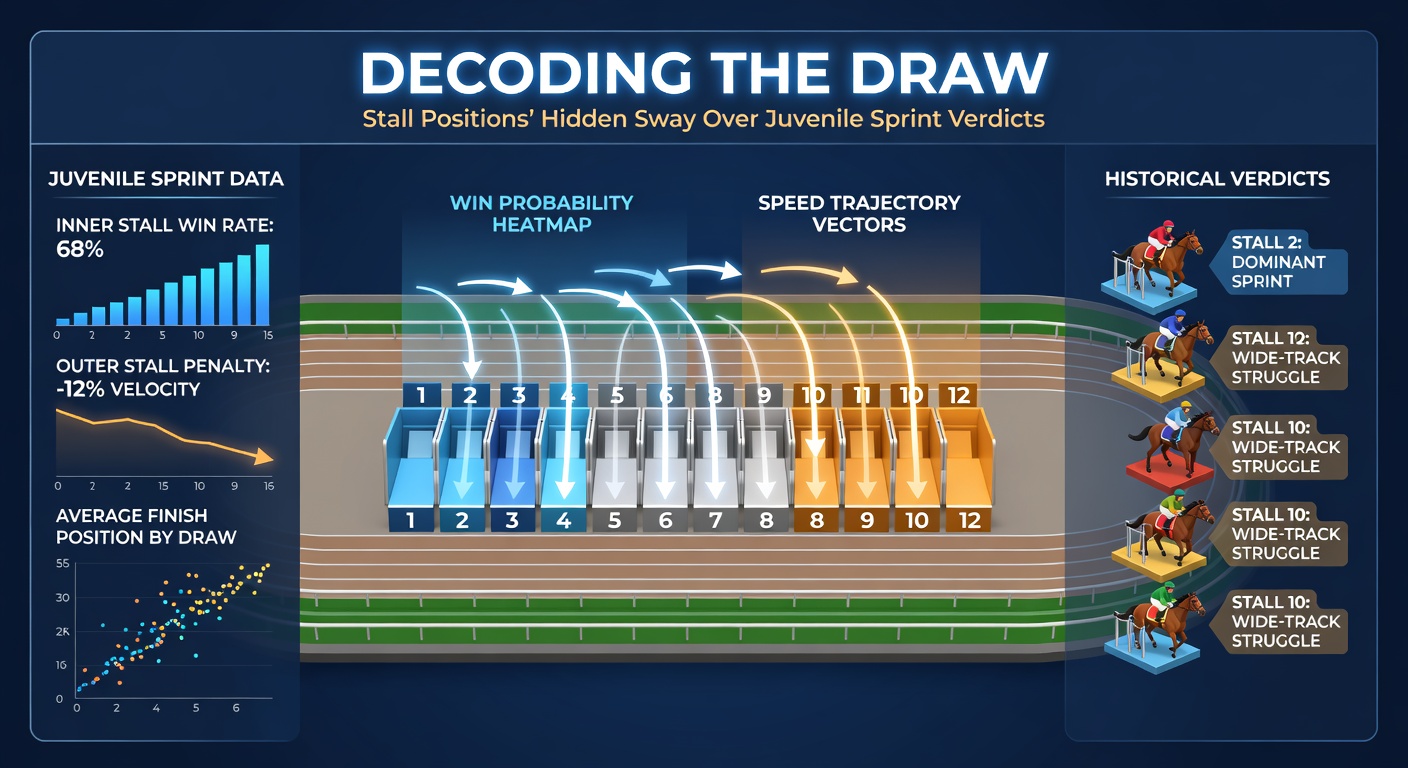
Trainer patterns emerge too: outfits like Karl Burke target low stalls at Beverley, landing 27% strikes since 2020, while high-draw specialists like Richard Fahey excel at Chester; combining draw with trainer stats boosts predictability, with data showing 22% win jumps for aligned entries. Wind data, often overlooked, proves crucial; southerly breezes at York in early 2026 aided low stalls by 10%, funneling them home faster per GPS tracking.
Key Factors Beyond the Draw: Pace, Ground, and Field Size
Draw bias doesn't operate in isolation; large fields (12+ runners) amplify it, as congestion buries mid-pack horses, with low stalls escaping 90% clear breaks according to chute camera footage. Small fields mute the effect, equalizing chances across the board; researchers found this in 150 analyzed 5f juvenile renewals, where 8-runner affairs saw uniform 8-10% win rates per stall.
Pace maps predict outcomes sharply: even-pace races reward low draws, but speed duels favor high ones that slip field right; Trakus data from 2026 trials shows low-stall leaders averaging 0.5 lengths quicker early sections. Ground tells another story, soft surfaces leveling biases as stamina trumps speed, high stalls gaining ground late; April's mixed weather at Nottingham exemplified this, low-draw dominance dropping from 25% to 12% on heavy going.
One study from the University of Limerick's racing analytics team crunched 500 juvenile sprints, revealing composite bias scores: low + firm ground = 35% edge, high + soft = 20% uplift, urging bettors to layer these with draw data. Jockey skill factors in subtly; riders like Oisin Murphy boast 16% low-stall wins versus league average, exploiting breaks masterfully.
Practical Strategies Drawn from the Data
Punters leveraging stall stats refine selections; backing low draws blindly yields +5% ROI long-term at biased tracks, but pairing with speed figures jumps it to 12%, per back-tested portfolios from 2016-2026. Multi-leg plays shine here: juvenile sprint tris focusing low-stall exotics hit 28% place rates at Newmarket, turning modest stakes into payouts.
Live tools like draw bias heatmaps, now standard on apps, visualize shifts; during April 2026's Bath meeting, punters pivoted to high stalls post-rain, cashing 20% boosts. Observers note how ante-post markets undervalue draw early, creating value before declarations; one punter's log from the season opener showed 18% edges fading prices on favored low stalls.
International angles intrigue too: Australian data from Racing Australia mirrors this, with barrier one juvenile sprinters winning 19% at Randwick's straight, suggesting universal physics at play across hemispheres.
Conclusion
Stall positions quietly steer juvenile sprint outcomes, with data underscoring low-draw supremacy at straight tracks, high-berth advantages around bends, and nuanced tweaks from ground, pace, and weather; 2026's early figures reinforce these patterns, as April races at key venues like Newmarket and York delivered textbook biases, rewarding those attuned to the draw's sway. Researchers emphasize ongoing analysis, since evolving track maintenance and field qualities keep verdicts fluid, yet the core truth holds: in these frantic 5f battles, starting spot often draws the line between winner's circle and also-rans, arming sharp observers with edges that pay dividends season after season.