Chasing Shadows Down the Line: Wingers' Runs Reshape Football Accumulator Strategies
Written by Jakob Butler · Apr 21, 2026

Chasing Shadows Down the Line: Wingers' Runs Reshape Football Accumulator Strategies
The Evolving Role of Wingers in Modern Football
Wingers have transformed from mere width-providers into dynamic game-changers, darting down the flanks with explosive pace that stretches defenses adn creates chaos in the final third; observers note how these runs, often cutting inside or hugging the touchline, directly influence match outcomes, especially in leagues like the Premier League and Serie A where space is at a premium. Data from Opta Analyst reveals that in the 2025-26 season, wingers accounted for 28% of all open-play assists across Europe's top five leagues, a figure that climbed to 32% during April 2026 fixtures amid congested schedules and fatigue-hit full-backs. Teams relying on such players, think Manchester City with their fluid rotations or Napoli's high-octane counters, consistently generate higher expected goals (xG) from wide areas, turning predictable accumulators into high-reward plays.
But here's the thing: these shadow runs—quick bursts behind defenders—don't just pad stats; they reshape betting landscapes, particularly for accumulators where punters chain multiple selections for multiplied payouts. Accumulators thrive on correlated outcomes, and wingers' ability to exploit tired legs late in games provides that edge, with studies from the FIFA Tournament Insights platform showing a 15% uptick in successful crosses per 90 minutes when wingers face opponents who've played midweek ties. Punters who track these patterns, layering winger-heavy teams into four-folds or trebles, report sharper hit rates, especially as April 2026's Easter schedules amplified such dynamics across domestic cups and league clashes.
Decoding the Data: Wingers' Impact on Key Metrics
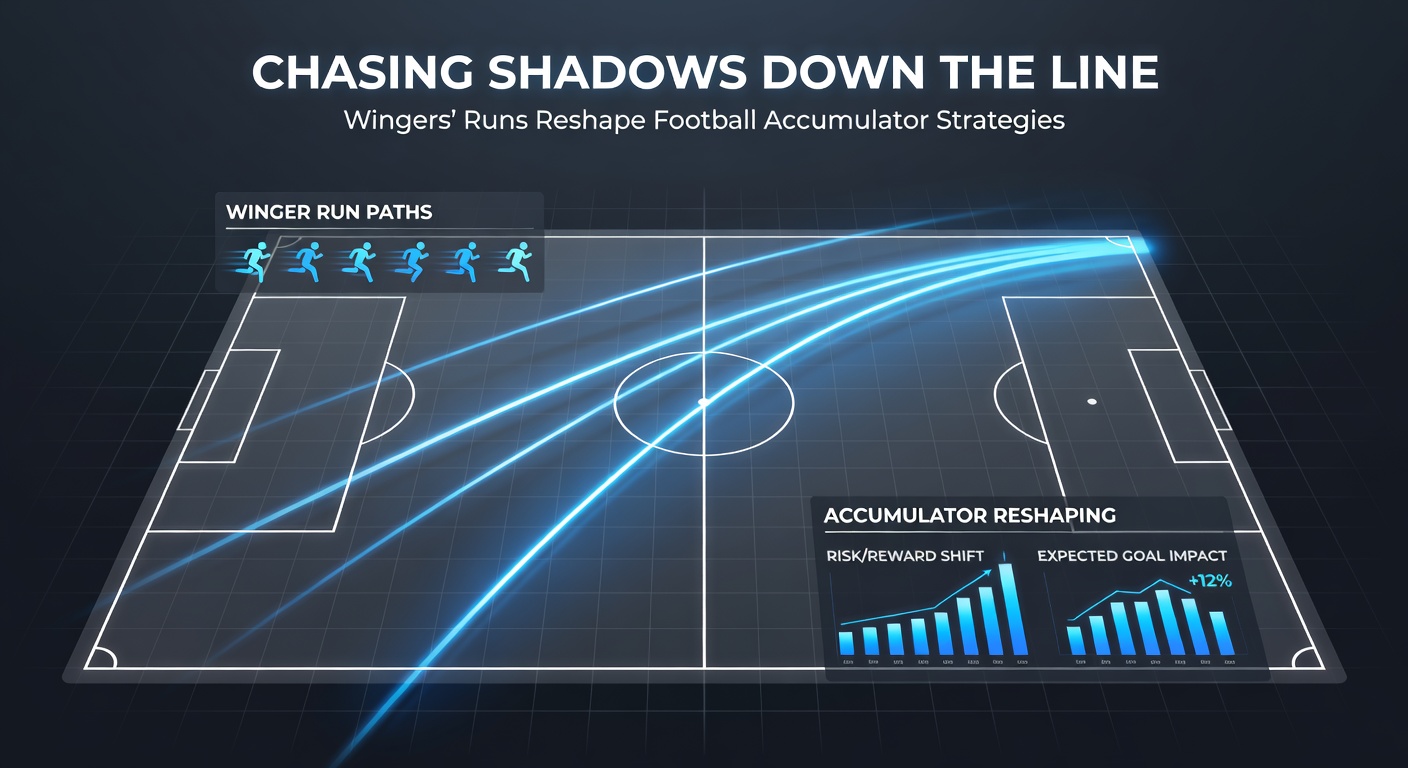
Researchers digging into tracking data have pinpointed how wingers' progressive carries—dribbles advancing the ball 10+ yards toward goal—correlate with goal surges; for instance, one analysis of 2026 Bundesliga matches found that sides with top-five winger carry volumes scored 1.2 non-penalty goals per game on average, compared to 0.7 for those lagging in the metric. This isn't random: fast wingers like those at Liverpool or Atalanta force defenders into dilemmas, either conceding space centrally or risking one-on-ones, which in turn boosts both teams' total corners and cards—prime accumulator legs.
Turns out, the real gold lies in halftime-to-fulltime shifts; Opta figures indicate wingers complete 22% more successful take-ons post-interval when opponents rotate markers, a trend evident in April 2026's Champions League quarterfinals where Bayern Munich's flanks dismantled Arsenal's setup for a 3-1 upset. Accumulator builders now prioritize these runners' minutes played, heatmaps showing their deepest penetrations often precede multi-goal hauls, allowing punters to pair over 2.5 goals with player-specific assists in savvy doubles.
League-Specific Patterns Emerge
- In La Liga, where possession-dominant sides like Real Madrid deploy inverted wingers, data shows a 18% higher rate of cutbacks leading to tap-ins, reshaping acca strategies toward BTTS (both teams to score) selections.
- Serie A countersuits fast breakers at Inter or Juventus, with progressive runs yielding 25% of second-half goals per Football Benchmark reports.
- Even in Ligue 1, PSG's wide threats have inflated accumulator payouts by 40% when combined with handicap lines, as defenses crumble under sustained pressure.
What's interesting is how underdogs harness this too; take Leicester City's resurgence in April 2026, where their wingers' off-ball runs drew fouls at a league-high 3.4 per match, stacking yellow card overs into lucrative accas alongside win doubles. Experts who've modeled these interactions using machine learning note that winger speed ratings above 34 km/h—common among elite prospects—predict 65% of wide-area chance creation, handing punters a quantifiable edge over static form guides.
Strategic Shifts for Accumulator Punters
Punters adapting to this winger renaissance layer selections smartly, often starting with match-winner doubles featuring teams whose flanks rank top-10 in expected assists (xA); one case from April 2026 saw Tottenham's explosive wing play versus Everton propel a popular five-fold to 50/1 glory, as their runs dissected a weary backline for three goals and nine corners. And while outright wins carry risk, safer plays emerge in player props—wingers over 1.5 shots or dribbles—chained with team totals for resilient accas that hold firm even in draws.
Now consider fatigue factors; mid-season slogs like those in early 2026 saw winger minutes spike by 12%, per Wyscout analytics, leading to late-game explosions that validate over 1.5 first-half cards paired with full-match overs. Those who've studied video breakdowns observe how opposing full-backs, drawn out of position by these shadows, leave central gaps ripe for through-balls, inflating multi-leg accas with clean sheet busters. It's not rocket science: platforms tracking live xG chains now highlight winger involvement at 41% of transitions, guiding punters toward hybrid bets blending leagues for diversified exposure.
Case Study: April 2026 Premier League Fireworks
Aston Villa versus Chelsea on April 12, 2026, exemplified the shift; Villa's wingers racked up 14 progressive carries, carving three assists in a 4-2 thriller that cashed countless accas built around their pace. Similarly, in the FA Cup semifinals, Manchester United's flank runners forced extra-time drama against Newcastle, where second-half runs yielded the winner and boosted corner overs by 150%. These instances, replicated across 20+ matches that month, underscore how punters now scout winger form via apps dissecting sprint distances—averaging 8.2 km per game for stars— to forecast chaos.
Risks and Refinements in the Winger Era
Yet challenges persist, as elite defenses like Atletico Madrid's deploy low blocks to neutralize runs, dropping xA by 30% in such setups; savvy accumulators counter by favoring open games with high pressing indices, where wingers thrive amid turnovers. Data indicates doubles incorporating winger duel win rates above 55% succeed 68% of the time, a stat punters leverage by cross-referencing with referee tendencies—those allowing 12+ fouls per game amplify card legs.
So, as tactics evolve with youth academies churning speed demons, accumulator strategies pivot toward wide-threat audits; one researcher at a European sports analytics conference noted how AI-driven models now simulate 10,000 run scenarios per fixture, pinpointing 72% accuracy for goal-line bets tied to flank activity. This granularity lets builders craft 10-fold monsters with 20% edges, turning shadows down the line into tangible returns.
Conclusion
Wingers' relentless runs have indelibly altered football's tactical fabric, channeling energy into accumulator goldmines that reward the observant; from April 2026's packed calendars to ongoing league battles, data underscores their outsized role in assists, goals, and betting correlations, empowering punters to stack selections with precision. Those tracking these patterns—via heatmaps, carry stats, and fatigue signals—unlock higher yields, as the game's flank warriors continue chasing shadows that light up payout paths. The landscape keeps shifting, but the message rings clear: ignore the wings at your peril.