Charting Altitude Effects on Endurance Metrics in High-Elevation Flat Racing Circuits
Written by Leon Schmid · Jun 18, 2026
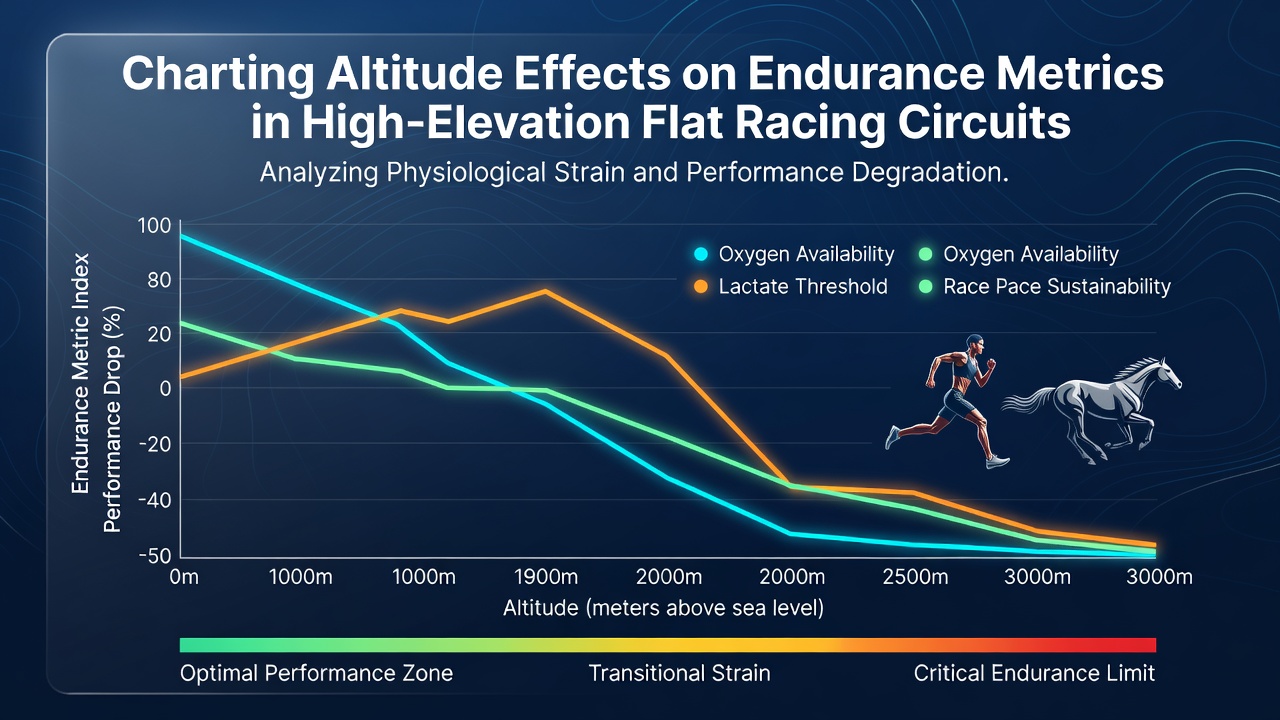
Charting Altitude Effects on Endurance Metrics in High-Elevation Flat Racing Circuits
High-elevation flat racing circuits present unique challenges for equine athletes because reduced oxygen availability directly influences stamina and recovery patterns during races. Researchers have documented these effects across tracks situated above 5,000 feet where atmospheric pressure drops and air density decreases which forces horses to adapt their cardiovascular and respiratory systems mid-competition. Data collected from circuits in Colorado and New Mexico reveal consistent patterns in how altitude alters performance metrics such as stride length, heart rate recovery and overall race times compared to sea-level venues.
Physiological Adaptations in Equine Athletes
Horses competing at elevation experience lower partial pressure of oxygen which triggers increased red blood cell production over time yet acute exposure during a single race creates immediate demands on the lungs and heart. Studies from veterinary physiology programs show that equine heart rates climb faster in the initial furlongs while oxygen uptake efficiency declines by measurable percentages leading to earlier onset of fatigue. Observers note that these changes become most apparent in longer flat races where endurance rather than raw speed determines outcomes adn trainers adjust conditioning regimens accordingly to build tolerance before shipping horses to highland venues.
Key Endurance Metrics Under Scrutiny
Analysts track several specific indicators to quantify altitude impacts including post-race lactate levels, respiratory rate recovery times and average speed maintained across the final quarter-mile. Evidence from monitoring equipment installed at tracks demonstrates that horses require 15 to 25 percent longer to return to baseline heart rates after finishing at elevation compared to lower tracks. These measurements help racing teams predict how individual animals will handle successive starts in a meeting and inform decisions on rest intervals between events.
Data Collection Methods at Altitude
Modern charting relies on portable sensors that record real-time biometric data during both training and competition while satellite-linked software compiles results across multiple races. Teams at facilities such as those in the Rocky Mountain region combine GPS tracking with blood gas analysis taken immediately after workouts to build detailed profiles for each horse. This approach allows comparisons between performances at varying elevations and highlights which animals maintain consistent output despite thinner air.
Regional Variations and Recent Observations
Tracks in different highland areas exhibit subtle differences because of factors like humidity levels and temperature swings that compound altitude stress. Research conducted through North American equine centers indicates that circuits in drier climates produce more pronounced effects on endurance while those with moderate moisture show slightly better oxygen retention in equine lungs. Figures released in June 2026 from ongoing monitoring programs at several western circuits confirm that average race times for mile-and-a-quarter events have lengthened by fractions of a second over the past two seasons correlating with refined data collection techniques that capture subtle shifts in performance.
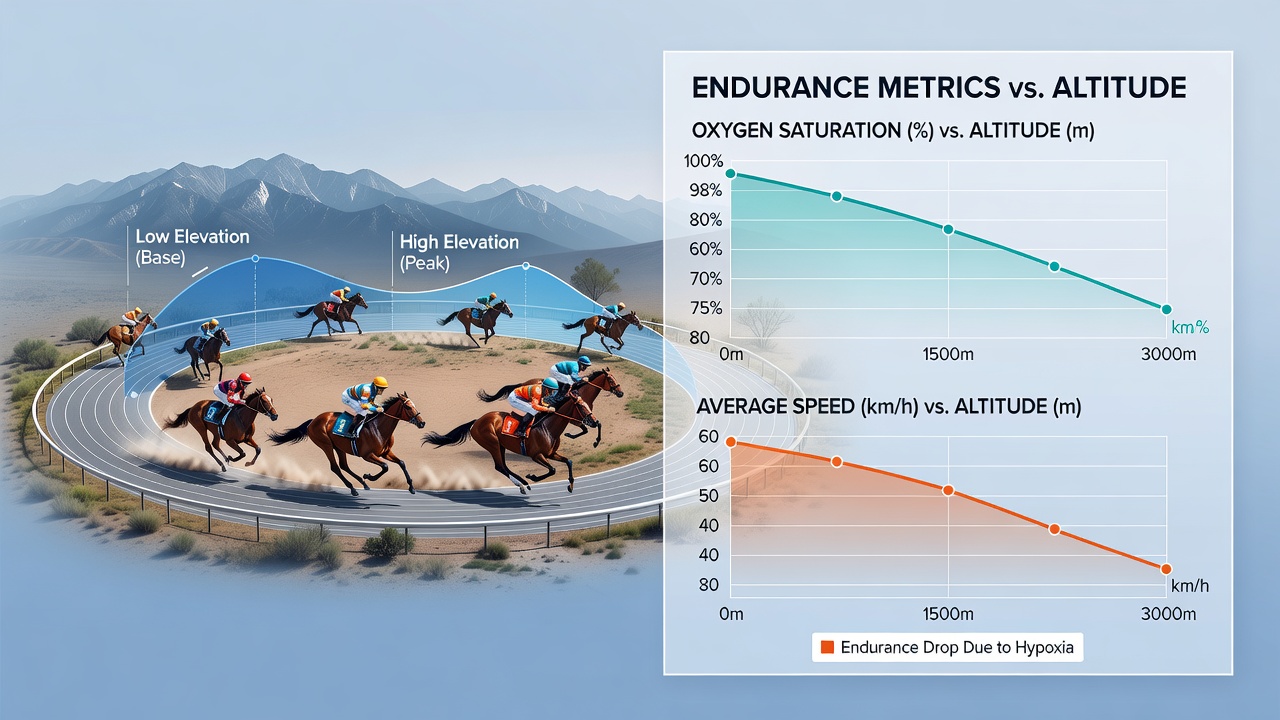
One study coordinated by academic institutions in the United States linked changes in stride frequency directly to oxygen saturation readings taken at peak elevation while another project based in Canada examined recovery protocols that trainers employ after races. Those findings appear in publications from the Equine Veterinary Journal and support adjustments in pre-race hydration strategies that have become standard at several venues.
Implications for Training and Race Planning
Trainers who prepare horses for high-elevation circuits incorporate simulated altitude sessions using specialized equipment that reduces oxygen intake during workouts. This preparation helps animals develop greater capillary density in muscle tissue which in turn supports sustained effort once the actual race begins. Racing secretaries at affected tracks often schedule longer intervals between races on the same card to allow adequate recovery and prevent cumulative fatigue across a meeting.
Conclusion
Comprehensive charting of altitude effects continues to refine understanding of how elevation shapes endurance in flat racing and provides actionable insights for those managing equine athletes across these demanding circuits. Ongoing data collection through 2026 and beyond promises further clarity on optimal strategies that balance performance with animal welfare considerations at every level of competition.